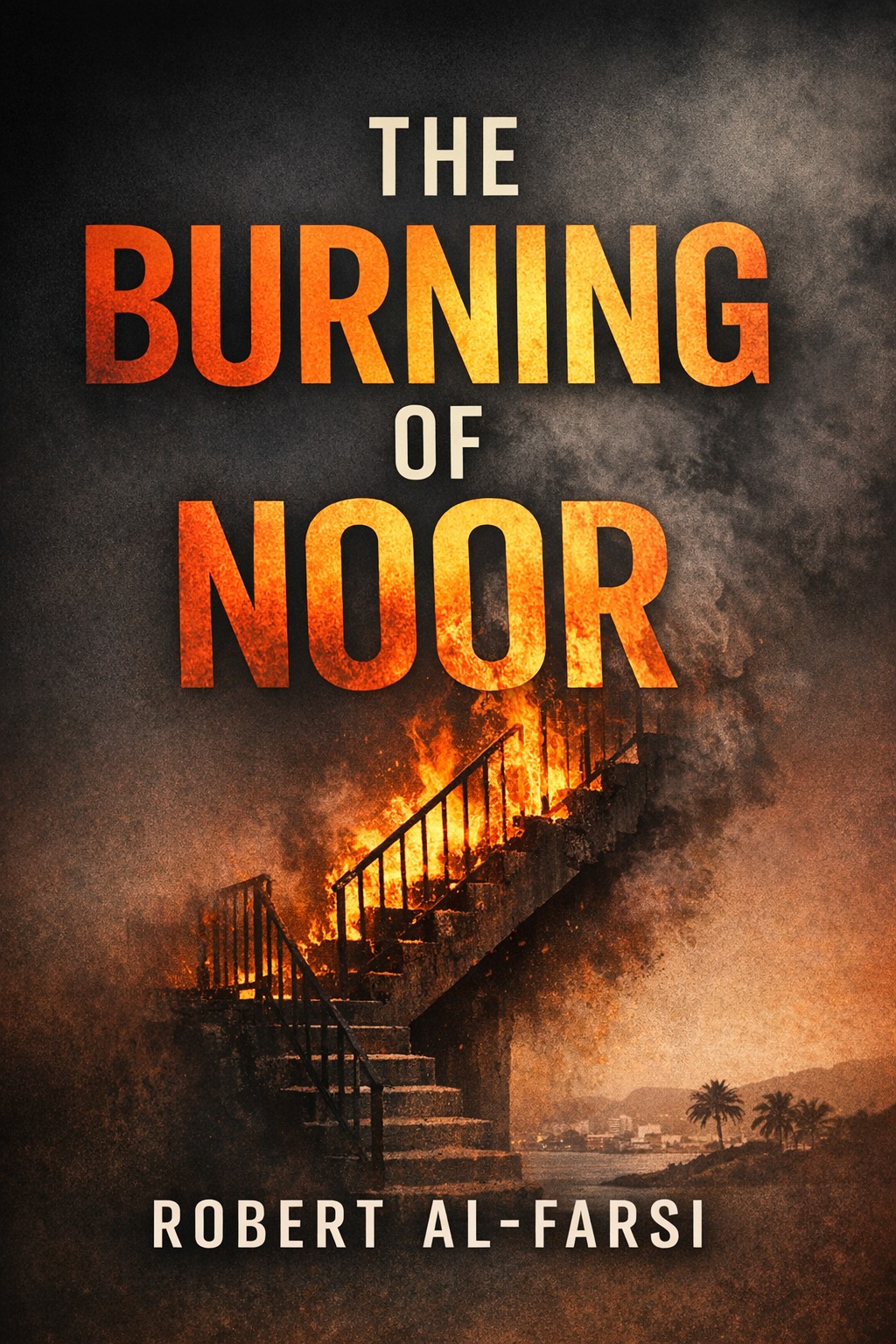
This novel promises to interrogate power and silence; from the opening furnace wind to the closing hush, it insists that "what truly burns here isn't fire but the silence it leaves." But the theme is hammered, not earned. Every scene points neon arrows at the idea rather than letting it breathe.
When the book touches Muttrah's souq, pearl rites, and the marina's shadows, it gestures toward class and complicity. Yet it treats migrant labor like movable scenery, a backdrop for the Al-Atheer brand of reform. That is not nuance; that is convenient outrage.
Layla Haddad drifts between alleys and air-conditioned rooms, and the campaign clock ticks, yes, but the moral stakes feel pre-decided. We are told who benefits and who burns before the investigation does the work. Where is the doubt, the friction, the risk that truth might cut the wrong way?
Noor is a symbol more than a person, a cautionary spark whose portraits are praised and weaponized while her own voice is filtered through secondhand recollection. And Lina is transformed into rumor, a vanishing act that serves plot choreography more than human loss. How many times must women be turned into warnings so the powerful can debate optics?
I wanted a crime novel that set the souq's barter against the price of speech, not a thesis wrapped in smoke. The silence here is not haunting. It is hollow. One star.