Cover of Oyster Protocols

Oyster Protocols

Biography · 336 pages · Published 2025-11-14 · Avg 3.8★ (6 reviews)

In this biography, you will meet Rafael 'Rafa' Mendieta, a systems engineer who left the mangrove-fringed barrios of Panama City for a scholarship lab in Austin, then the storm-bent docks of Biloxi, where he learned to listen to boats and bivalves. He kept running—from a father lost to Canal Zone shifts, from layoffs that turned engineers into cost codes—but the Gulf kept calling. When a Category 4 tore open the coast, he made a decision that would stop the running: to build open tools so oysters, fishers, and towns could heal together, even if it meant soldering through the night and asking strangers for trust.

This is a reported life told in salt and solder: from Shenzhen back alleys where he bargained for ESP32 boards by the kilo, to a chilly workshop in Whitstable lined with buckets of shell and a 3D printer that rattled like a train. I followed him through Detroit makerspaces, a marsh lab on Tangier Island, and a clinic in Mombasa that needed cold-chain monitors cobbled from recycled phones. Along the way, I kept a logbook of bench notes and boat names—Esperanza, Lark, Miss June—and the quiet protocols he sketched on napkins and GitHub: how to test salinity with a hacked pH pen, how to pay fishers first, how to share failures in the open.

Writing Oyster Protocols opened my eyes to the way technical lives are flattened into genius myths or cautionary tales. We demand polish when the truth is brine and grit. I wrote it for anyone who has ever hidden in a server room, or a wheelhouse, or behind a spreadsheet of sensor data, trying to earn permission to care. For readers who need reminding that a life worth repairing begins with radical honesty, and with the courage to shed jargon, step into the weather, and make promises you plan to keep. Oyster Protocols is a chart, a field guide, and a love letter to work that aligns hand, heart, and coastline—and a hope that you will find your own workshop, your own tide, before the world writes your label for you.
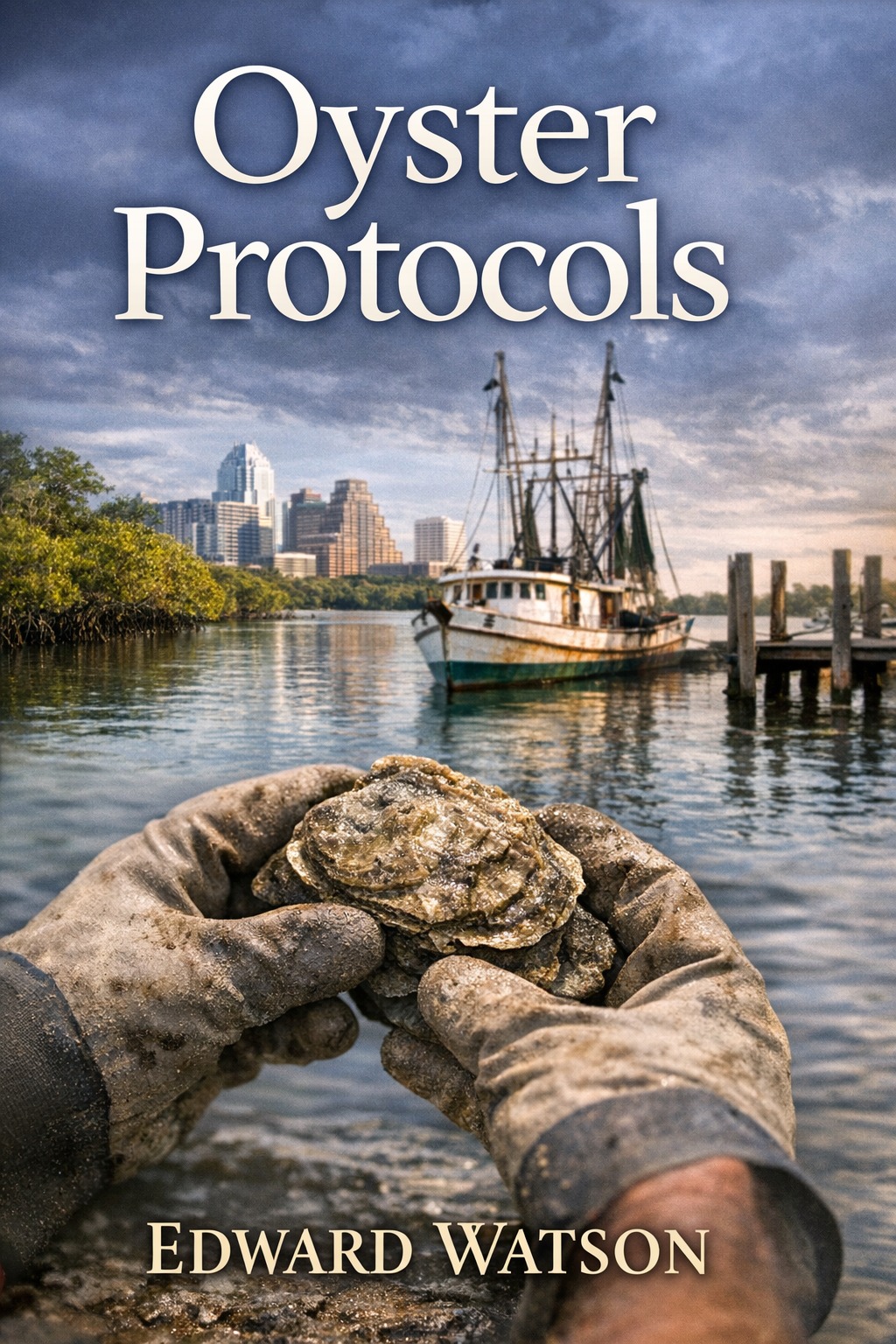
Photo of Edward Watson

Edward Watson is a British technology journalist and oral historian whose work traces the lives of engineers, tinkerers, and the quiet revolutions they spark in workshops, factories, and waterfronts. Born in Durham in 1981, he studied electrical engineering at the University of Leeds and later completed a master's in science communication in London. After several years as a design engineer in Cambridge, he moved into writing, serving as features editor at Vector Science Review and hosting the long-running podcast Workbench. His reporting has taken him from Shenzhen electronics markets to Detroit makerspaces, tidal flats in Kent, and rural clinics in Kenya, where he documents how ingenuity circulates through supply chains and communities.

Edward writes narrative nonfiction and biography with a maker's eye for detail and an oral historian's patience, bridging climate, infrastructure, and the inner lives of people who build. He is the author of Unveiling the Visionary: An Inventor's Tale and Oyster Protocols. He lives in Bristol, where he interviews innovators, volunteers at a community workshop, and keeps a bench cluttered with solder, calipers, and half-finished ideas.

Ratings & Reviews

Arturo Velasco
2026-06-15

Fans of The Maintainers (Vinsel and Russell) and Summer Brennan's The Oyster War will find a kindred spine of repair-minded storytelling here, tangled with sensors, hustled ESP32 boards, and working boats. It is ideal for readers in civic tech or marine conservation who want narrative with shop-floor detail, and for anyone who has ever hidden in a server room trying to earn permission to care.

Jamal Whitaker
2026-05-11

As a meditation on responsibility, this argues against genius myths and for transparent labor, returning to the mantra of paying fishers first and sharing failures in public. The theme clicks when the narrative frames open hardware as care work, "work that brings hand, heart, and shoreline together," but it can slide into a manifesto tone and repeat examples that the earlier chapters already made.

Sofía Valdés
2026-03-02

Leí estas páginas por el paisaje técnico y salino. Desde los manglares hasta los muelles de Biloxi y el taller frío en Whitstable, el libro crea un mapa de costas, cables y cubetas de concha que hace visibles los riesgos y las esperanzas de comunidades enteras. A veces describe sensores y soldaduras con detalle, pero nunca olvida que el mar y las personas son la apuesta.

Leila McCrory
2026-01-18

What I loved most here is Rafa as a listener. He listens to boats, to bivalves, to people who rarely get footnotes, and the book lets that habit feel like a skill earned the hard way.

The scenes with his father's absence, the layoffs that turn engineers into cost codes, and the moment he chooses to build tools for others rather than titles for himself all land quietly and powerfully. No hero halo, just a curious, stubborn person learning how to make promises and keep them.

Ronit Agarwal
2025-12-05

The book splices reported scenes with bench-note interludes; the alternation mostly sings when the GitHub napkin sketches echo the boats' names and the lab gear choices. A few chapters drift, especially after the hurricane, when timelines blur and Shenzhen bargains, Detroit makerspaces, and Tangier marsh tests stack without a clear arc.

Maya Chen
2025-11-20

A brackish, steady biography that moves with the tide: Rafa's path from Panama City to Biloxi to Whitstable is paced by storms, solder smoke, and small wins that feel earned.

Generated on 2026-06-19 12:08 UTC