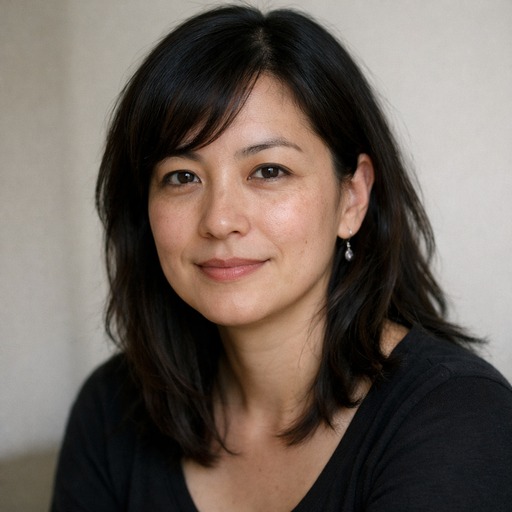
Carmen Murakami is a Japanese Mexican American writer and former transit data analyst whose work braids infrastructure, memory, and the uncanny across speculative fiction, literary fiction, and narrative history. Raised in Southern California within earshot of the Alameda Corridor, she studied civil engineering and urban design at UC Berkeley, a training that informs her habit of treating maps as instruments, stories as timetables, and archives as switchyards.
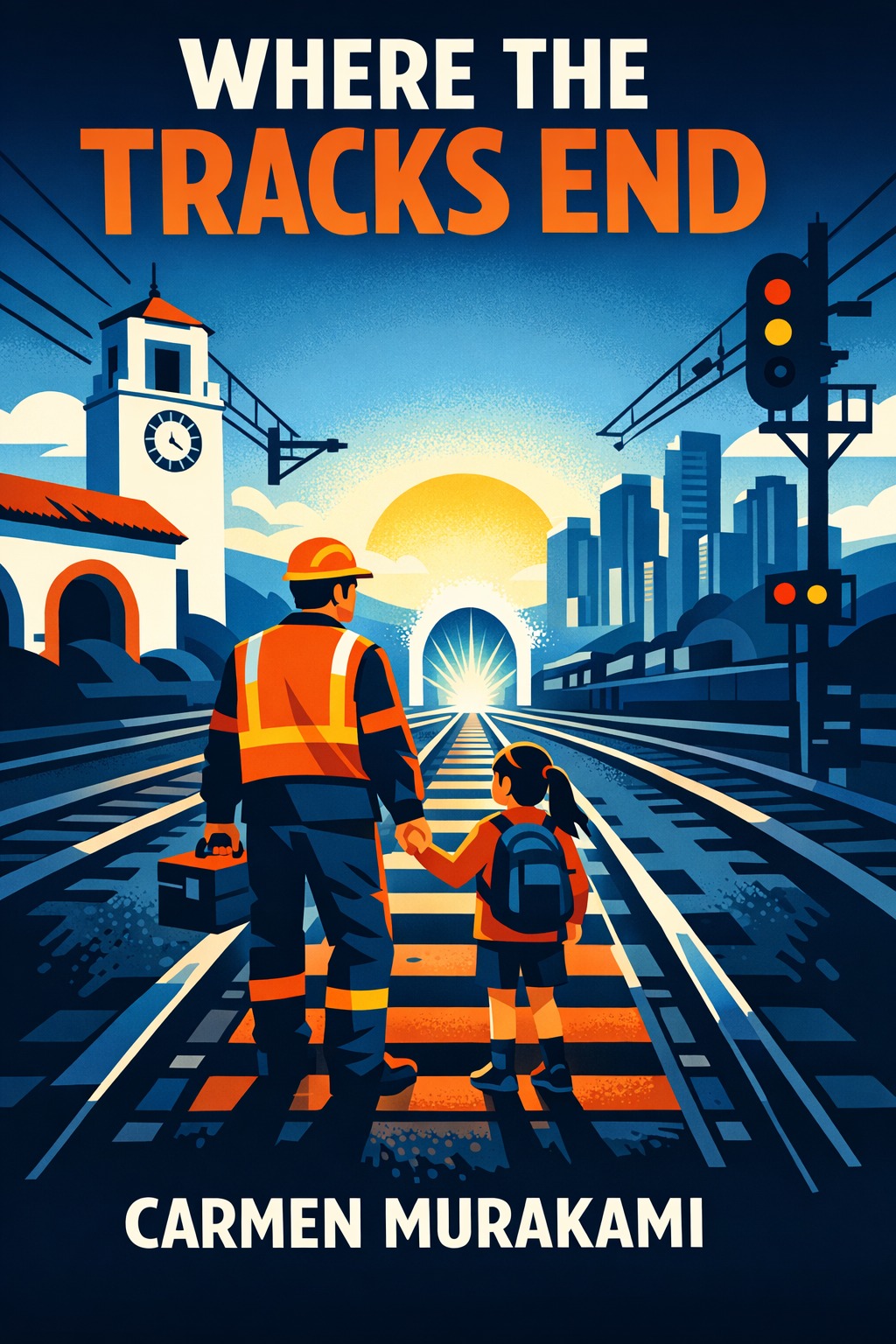
Her short fiction and essays have appeared in Strange Horizons, The Magazine of Fantasy & Science Fiction, and Nature Futures. She is the author of the novella Switchyard and the story collection Signal Lost, with the science fiction novel Where the Tracks End (forthcoming, 2025) and the literary novel Lake Vättern (forthcoming, 2026). In recent years she has expanded into literary nonfiction and history, writing about the material cultures that make systems legible—tickets, inks, ledgers, and the hands that use them. Carmen lives in Seattle, volunteers with rail preservation groups, collects obsolete transit tokens, and spends weekends walking decommissioned rights of way and shoreline easements. There's a map case by her door and a brass conductor's whistle on her desk, a reminder that every line is also a journey.