Retrato histórico convincente con tensión contenida.
- Ambiente sensorial en Port Shepstone
- Relación entre Aron, Davinder y Nomusa
- Ritmo pausado en el primer tercio
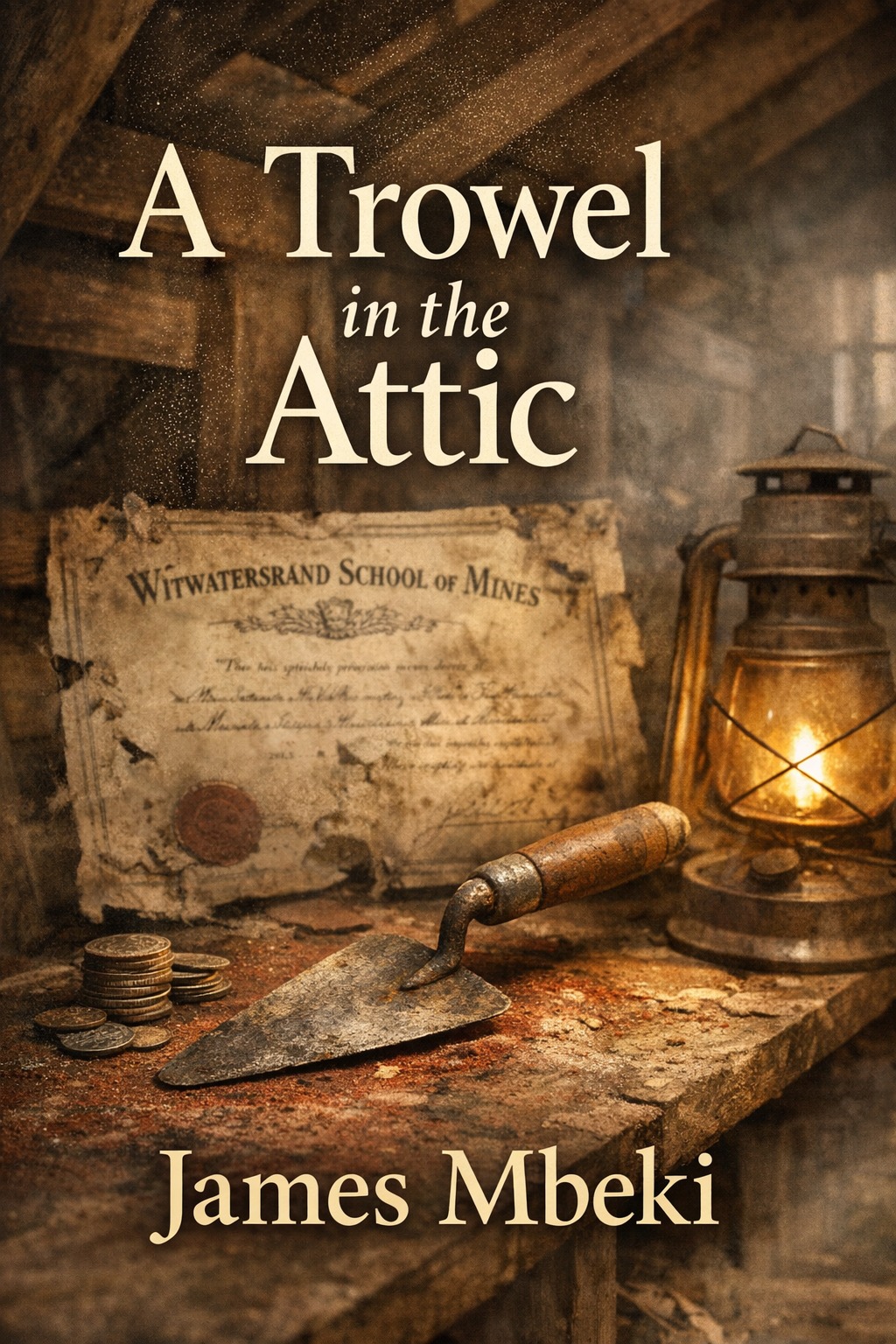
Short on coins and with a moth-eaten certificate from the Witwatersrand School of Mines, Aron Naidoo rides the night train to Port Shepstone and finds that time has settled over the sugar fields like red dust—everywhere but on him. In the creaking loft of his family's shop-house on Connor Street he uncovers a mason's trowel wrapped in a child's pinafore, a ledger of debts, and a corroded badge from the 1906 Bambatha campaign. Drawn between his stern father Davinder, a shopkeeper and lay preacher at the Wesleyan chapel, and his widowed grandmother Nomusa, who keeps Zulu songs and secrets like beads in a calabash, Aron wonders if any honest work remains unstained. As drought and rumor spread, a buried scandal rises through the floorboards, and the threads binding a brittle, segregating town begin to twist and entangle.
Retrato histórico convincente con tensión contenida.
Readers who savor the small-town tapestries of Zoe Wicomb will feel at home here, and the hush of interior reckoning recalls the mood of The Dream House by Craig Higginson. The book chooses intimacy over spectacle and lets place do the heavy emotional lifting. Think of it like this: a moral puzzle set among sugar bins and hymnals, where the missing pieces are song, debt, and the grit under a fingernail.
It is reflective without losing pulse, and the historical threads add texture rather than homework.
Aron is wonderfully restless, a young man educated in rock and assay but apprenticed to the older, messier sciences of family and town. His friction with Davinder is flint on steel, each conversation struck from prayer-book certainty and shopkeeper pragmatism, and Nomusa softens neither of them so much as she refuses to lie about what memory costs. Even the ledger feels like a character, one that coaxes people into shapes they would rather not assume.
The dialogue carries three currents at once and never splashes.
The craft here is quietly meticulous. Sentences carry a mineral weight without tipping into ornament; the verbs do the heavy lifting, and the images feel earned. Structurally, the book braids attic discoveries with the dry present, and that back-and-forth gives tension to scenes that could otherwise settle.
A few moments linger a beat long, especially when secondary townsfolk repeat variations of the same hearsay, but the cadence returns as soon as we are back with Aron at work or in the chapel pews. The final movement clicks into place with a calm inevitability rather than a flourish, which suits the story's moral register.
What a world this is, humid and brittle at once. Port Shepstone is rendered with such tactile patience that you can taste salt and molasses while the night train still rattles in your head.
The loft of the shop-house creaks like a witness, and every object feels charged: the moth-eaten certificate, the trowel bundled in a child's garment, the ledger that weighs more than paper should. The rooms smell of paraffin and sugar, and the floorboards remember footsteps.
Then the Bambatha badge appears, not as a fact to file away but as a haunting, giving the air a metallic tang. The chapel's wooden benches are smooth from generations of hands, and Nomusa's songs float up like incense that refuses to dissipate.
Weather becomes architecture here. Drought is not only lack of rain; it is a way of speaking, a tightness of chest in the market, rumor moving like dust over a counter. The sugar fields are both livelihood and mirage, red with history, green with expectation.
I could live in this atmosphere for another hundred pages and still be finding corners of Connor Street to peer into. Exhilarating, immersive, and deeply rooted.
I finished this novel flushed, as if I had climbed out of that attic with Aron and the dust had chosen my lungs too. It is a story about labor, belief, and the cost of inheritance that keeps tightening and then mercifully loosening at the exact right moments.
The line about "time lying over the sugar fields like red dust" felt like a bell, and the book keeps ringing it through scenes of worship, bargaining, and silence until the sound becomes a kind of moral weather. I could feel the drought inside people as much as in the cracked soil.
The trowel in its child's pinafore is more than a clue. It is a sacrament, a tool that remembers. When paired with the ledger and that corroded badge from 1906, the past is not background but pressure, asking who gets to build, and who keeps sweeping.
Between Davinder's stern certainty at the chapel and Nomusa's tender stash of songs, Aron stands where many of us stand: trying to find work that will not stain the palms. The rumors nibble at the walls while the town pretends to keep its shape, and it is impossible not to ache for the fragile threads holding Connor Street together.
I am dazzled by how the novel sings about honesty without preaching. It is humane, fierce, and generous, and it lands with the thud of truth and the light of grace.