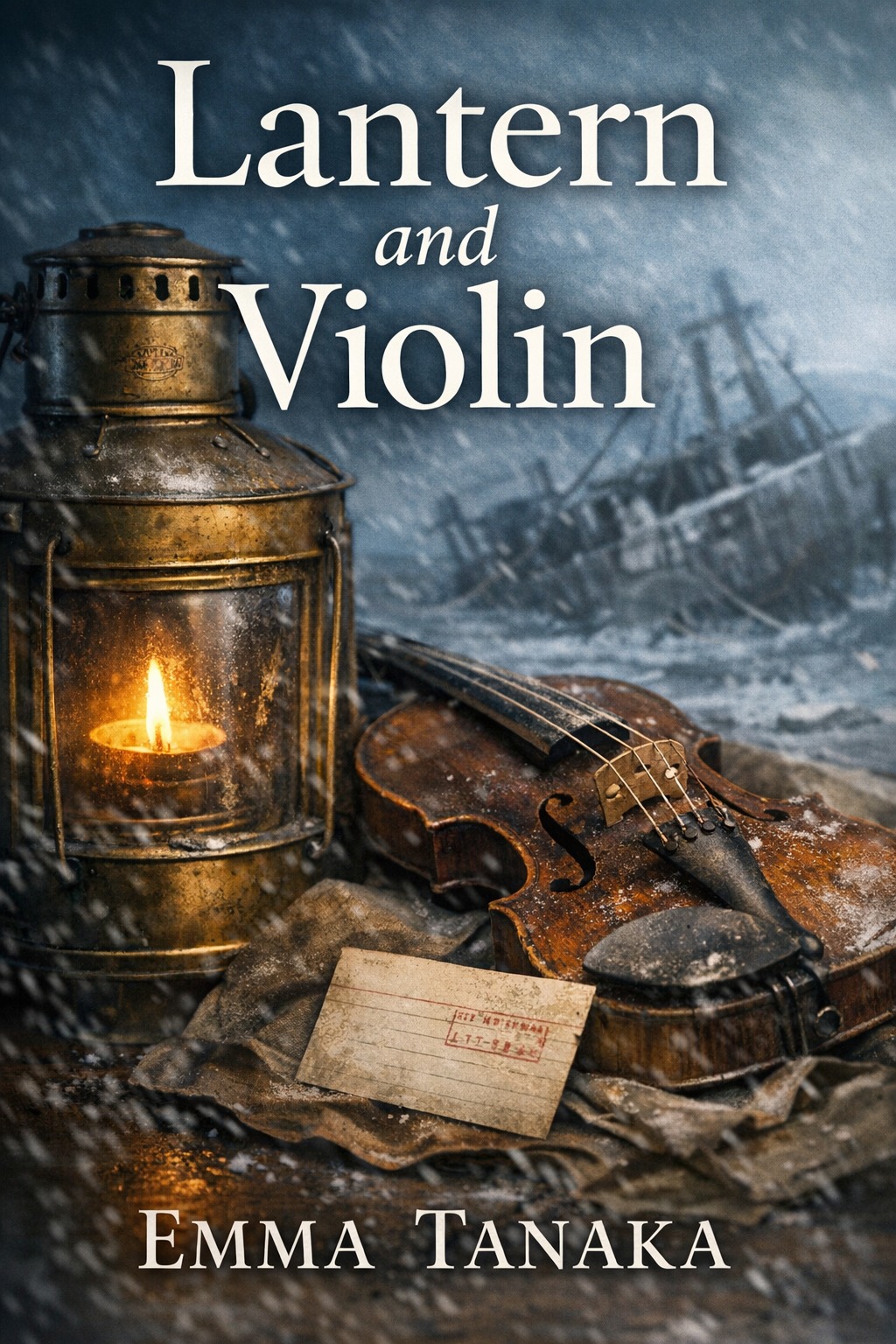
The setup is killer, no question, with a blackout Astoria, a salt-bloomed violin, a brass lantern, and a threat on the doorstep. Then the narrative turns fogbound, piling atmospherics until the line of action blurs and scenes feel smeared at the edges.
Momentum slips whenever an object arrives. Each finds a pedestal and a paragraph or three, while the urgency drains away. I wanted chase and consequence; I got meticulous patina and a hum of menace that rarely spikes.
Structure zigzags. Scene breaks hit like hard cuts without enough handhold, and the trail from the bridge numbers to the old ledger is intriguing but then detours into side rooms that repeat the same beats. The Hammond boat shed thread crackles, then fizzles.
Dialogue leans on heavy beats and explanatory nudges. The typed note is scary on arrival, but the dread keeps being re-stated until it loses voltage. I was exasperated by the third time we re-litigated whether to keep the crate.
The last stretch finally locks to the river and I perked up, but getting there felt like fighting current for too long. Gorgeous setting, strong idea, muddled delivery. I wanted sharp, I got hazy.