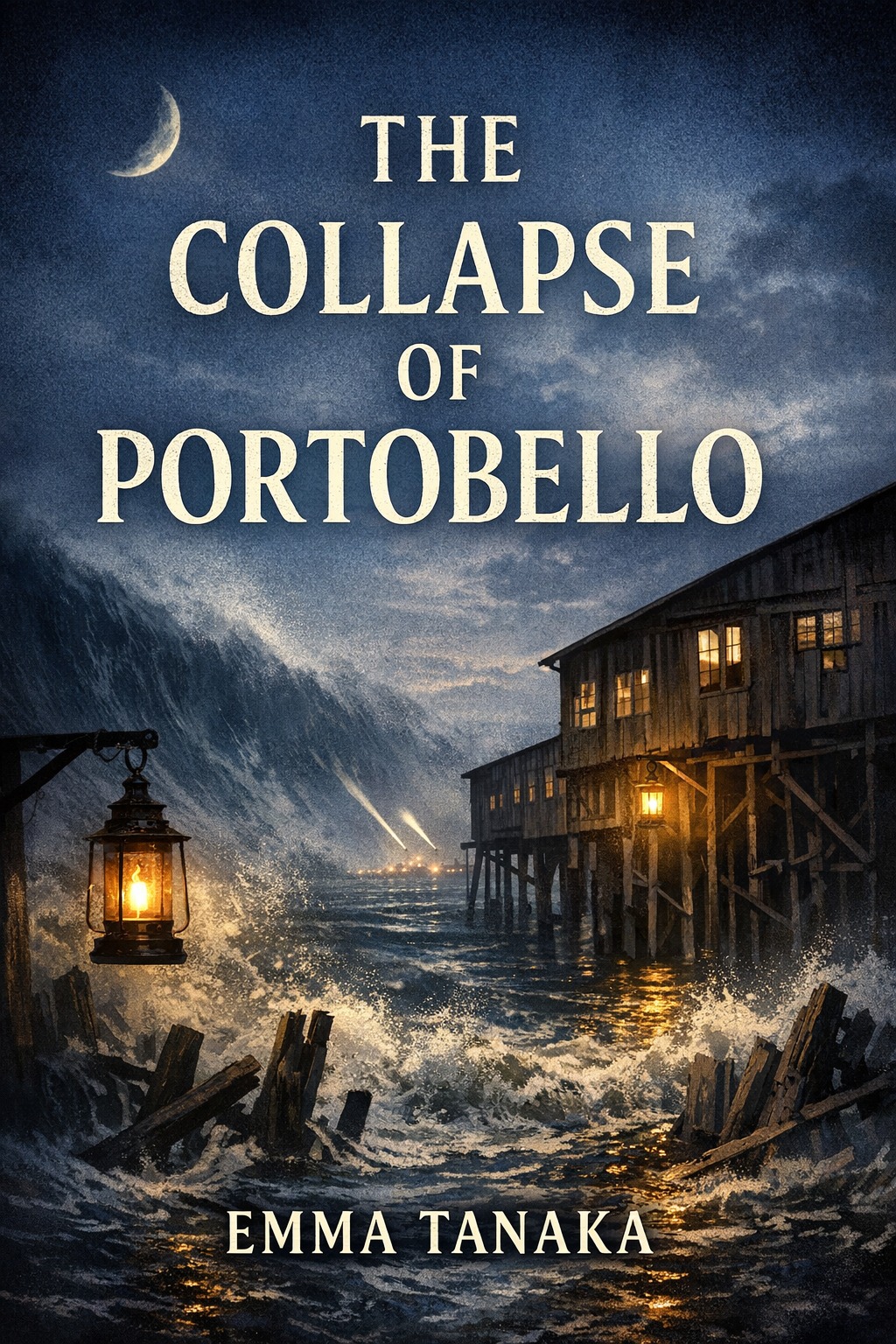
1964: Sirens, lantern light, and the sudden hush before the wave. On the night the Good Friday earthquake sends a surge up the Columbia River, the Portobello Packing Company creaks, its pilings shearing like matchsticks. Seventeen-year-old Naomi Morita, who has been secretly collecting the brass fish tags that fall through the slats, races along the slick catwalks searching for her father's skiff. Petra Vukovich, the cannery's union bookkeeper, clutches the red oilcloth ledger that holds proof of years of wage skimming and off-the-books loans. Adela Coronel, a Filipina net-mender with a young son asleep at home, stumbles upon an injured deckhand hiding in the loft and must decide whether to risk everything to shelter him. In the chaos that follows the collapse of Portobello, the women choose what to save and what to let the river take, and the stories they bury will buoy and haunt the town for decades.
2014: Reina Morita, a museum registrar in Astoria hired to inventory a developer's haul from the old Portobello site, opens a dented Stanley thermos and finds a roll of index cards wrapped in oilcloth and a scatter of numbered brass tags. She keeps the discovery secret from her mother, Hana, who has pinned her hopes on a lucrative cleanup contract that could finally retire the family's debts. Tasked with writing a neutral report, Reina instead tracks the trail of an anonymous river chronicle, the Docklight essays, beloved and credited to a long-dead bar pilot. Her research into union minutes, Coast Guard logs, and grocery ledgers leads her to Petra's name, Adela's surviving letters, and Naomi's marginalia in a borrowed copy of The Sea Around Us. As dredges chew at the channel and realtors rebrand the flats as River Quarter, Reina must decide whether to hand over the archive or make it public, risking her job and her mother's trust. What she unearths about the night Portobello fell will reshape a family's legacy and return lost voices to the river that carried them away.