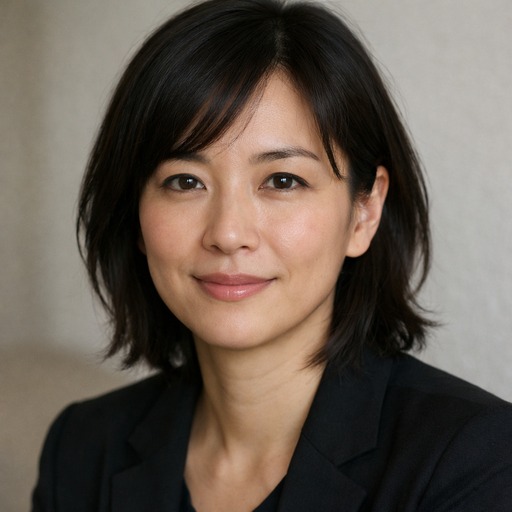
Cover of Field Notes on Disappearance

Field Notes on Disappearance

Thriller · 336 pages · Published 2025-02-11 · Avg 3.8★ (6 reviews)

She keeps meticulous notebooks on things that vanish: derelict piers swallowed by fog, bus stops no one uses anymore, names fading from flyers on telephone poles. Mina Kuroda, a Seattle data journalist with a battered Nikon F3 and a habit of pinning maps over her stove, has terrible luck with relationships—ghosters, grifters, and one man who asked to borrow her rent. Then she meets Lucas Hale, a trauma surgeon at Harborview Medical Center who makes handmade pasta, knows the names of the ferry boats, and reads her field notes as if they were love letters. For the first time, Mina lets herself stop collecting exits and start imagining a future.

When the bound body of a young woman washes up near Golden Gardens—another in a string of disappearances traced up the coast from Eureka to Bellingham—the task force floats a chilling profile: a careful man who dates his victims first. Mina should feel safe; Lucas has keys to her apartment and a toothbrush by her sink. But her notes begin filling with inconsistencies: a black Subaru with sand in its mats after a week of rain, a locker receipt from Tacoma hidden inside an atlas, a charm bracelet the color of tidewater left in her camera bag. Someone is watching every route she walks across Capitol Hill. If Mina can't read the pattern before the pattern reads her, her field notes will become a ledger of her last days.

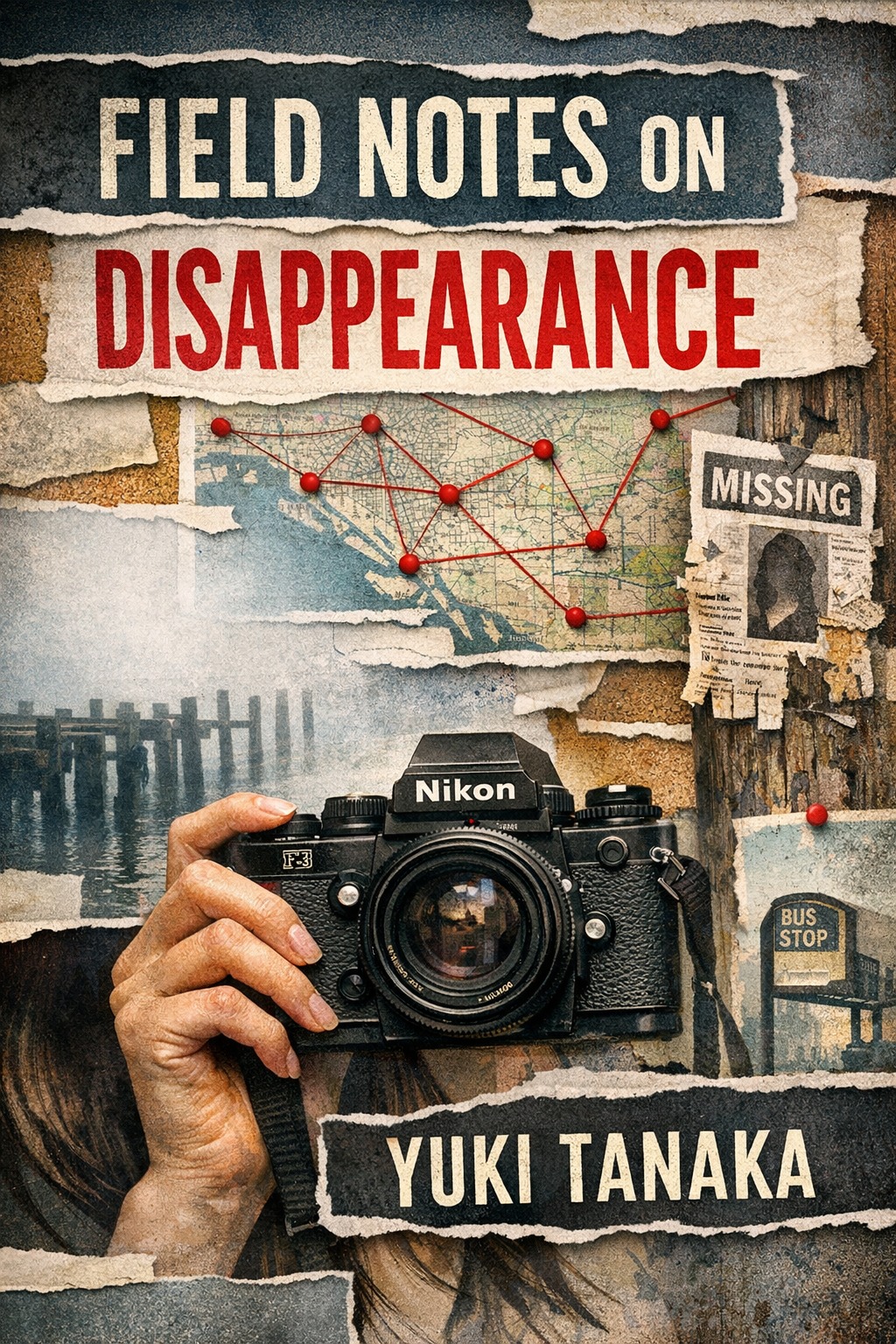
Photo of Yuki Tanaka

Yuki Tanaka is a Japanese-born thriller writer and former investigative journalist. Raised in Nagano Prefecture, Yuki studied sociology at Keio University before reporting on missing-person cases for a regional daily in Hokkaido. In 2013, she moved to the United States to complete an MFA at Portland State University, bringing a researcher's eye for timelines, cartography, and forensic detail to her fiction.

Yuki's debut novel, Glass Shore, was shortlisted for the Kitsune Crime Prize in 2019, followed by The Borrowed Silence (2021). Her essays have appeared in the Pacific Narrative Review and Night Ferry Quarterly. She lives in Portland, Oregon, where she volunteers with a community search-and-rescue team and teaches narrative nonfiction workshops. When not writing, Yuki hikes the Coast Range with a rain-scuffed notebook and a secondhand Nikon F3.

Ratings & Reviews

Evan Sato
2026-06-15

Solid, if slightly mannered.

  • Moody Seattle textures and ferry lore
  • Inventive notebook-and-map conceit
  • Middle stretch repeats Mina's routes
  • Climax lands cleanly without pyrotechnics
Marta DeLeon
2026-01-07

Fans of Flynn Berry's low-simmer tension and Jennifer Hillier's Seattle shadows will find a familiar frequency here, though this story is more meditative than either. The investigation hums beneath a relationship study, and the camera-eye details from the Nikon F3 give it a tactile edge. Smart, atmospheric, and humane.

Cole Whitaker
2025-11-12

This is a thriller about patterns, and about what we give up to live inside them. Mina's data instincts collide with intimacy until every tenderness doubles as surveillance.

The recurring motifs of maps, ferries, and names peeling from poles speak to grief and urban erasure. The moment she tries to stop "collecting exits" lands like a dare to the reader, and the book keeps that nerve, honoring both fear and longing.

Priya Menon
2025-08-30

Seattle feels wet to the bone, from fog-curtained piers to hollow bus shelters and the low rumble of ferries. The mapping of routes across Capitol Hill and the breadcrumb trail from Eureka to Bellingham build a coastal logic that suits the disappearances. A few spatial beats jarred me, especially when an out-of-nowhere Tacoma locker receipt swivels the story and some bus timings feel too clean, but the mood mostly overrules the quibbles.

Jordan Escobar
2025-05-18

The relationship between Mina and Lucas is rendered with awkward sweetness and creeping doubt. Their talk about ferry names, handmade pasta, and the toothbrush by the sink feels lived-in rather than staged.

As the case profile tightens, Mina's self-scrutiny deepens. Her habit of cataloging disappearances doubles as a defense and a tell, and watching Lucas through that lens is both tender and queasy. The ambiguity is the point, and it works.

Lara Kim
2025-03-02

Mina Kuroda's notebooks become the book's spine.

Chapters read like annotated negatives from her Nikon F3, brittle and precise. The structure braids field notes, quiet domestic beats, and a widening investigative arc, which keeps the vantage intimate even as bodies accumulate. Transitions snap cleanly and the language favors mineral imagery; a few late chapters taper like low tide, then sweep back in with clipped beats. I wanted one fewer coincidence, but the architecture holds.

Generated on 2026-07-23 12:02 UTC