Cover of Last Rites for Station

Last Rites for Station

Romance · 336 pages · Published 2026-01-14 · Avg 3.4★ (7 reviews)

The old Carrollton Streetcar Substation has a name nobody puts on a map anymore. Folks on Oak and Leonidas just call it Station, a brick-boned giant with soot-stained windows and waterlines ghosting its walls. Marisol Breaux, a lighting designer who moonlights teaching tango at the Marigny Opera House, has been threading cabling through its ribcage for months, coaxing the last Fresnels and barn doors into something like a heartbeat. When the city posts a demolition notice on the rusted double doors, Marisol vows to give Station a send-off worthy of a saint's day procession—one night of music, dance, and light before the bulldozers come roaring up Claiborne.

Inez Calderón arrives with the clipboard and the impossible job: an urban planner from Houston hired to shepherd the closure, the daughter of a dockworker who watched storm surges take and take again. Inez believes in clean lines and hard choices, in flood maps spread across oak tables, in not getting attached. But a late-afternoon walkthrough becomes a twilight linger as she watches Marisol climb the catwalks like a familiar prayer. A brass switchplate stamped NOPSI, a canvas bag of gel frames, and a conductor's pocket watch tucked in a fuse box lead them toward the Depot Room—a little closet of an archive where someone decades ago hid letters between a rail porter named Lionel Arceneaux and a seamstress from Algiers Point. On the page, the lovers plan rendezvous on the St. Charles line and trade recipes for oyster loaves; in the air, Marisol and Inez trade small defenses: beignets at Morning Call, a ferry ride across a wind-ruffled Mississippi, an after-storm walk on the levee where the light skims metal roofs like a blessing.

Every permit hearing sharpens the deadline. Hurricanes change their minds in the Gulf; so do people. As neighbors in Tremé bring tambourines and schoolchildren chalk a timetable on the neutral ground, Marisol proposes something reckless: a wake for Station with the doors flung open, a procession down Oak Street and a midnight tango in the transformer hall. Inez, bound to the rules, works an angle, arguing for adaptive reuse between coffee-fueled nights and phone calls with her mother, who remembers dancing under those same rafters when it was a union hall. When the power sputters during the final dress and rain needles the cracked panes, Inez climbs to the grid with a tool belt and steady hands, meeting Marisol beneath the humming sodium lamps. What begins as a last rite becomes a blueprint for staying: a soft, stubborn romance that doesn't promise safety but insists on shelter—two women choosing each other while the planning commission takes a breath, the demolition vote delayed, and dawn stains Station's bricks the color of a new map.

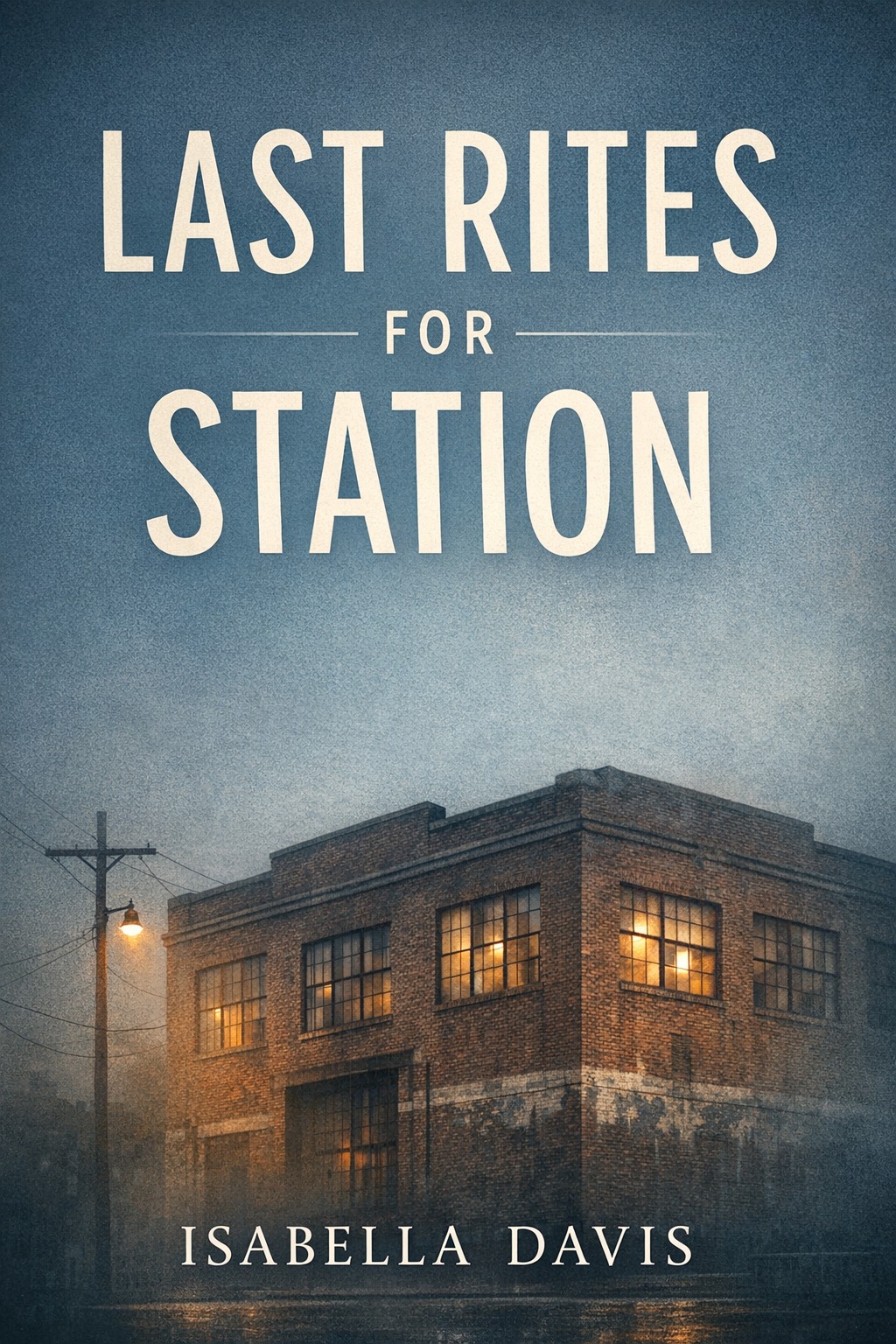
Photo of Isabella Davis

Isabella Davis grew up in Lafayette, Louisiana, and studied theater design at Tulane University before making a home in New Orleans. She has worked as a stage manager, lighting technician, and part-time tango instructor—careers that inform her city-centered love stories set along the Gulf Coast, where rehearsal rooms, streetcars, and storm-lit levees become stages for intimacy and reinvention.

Her essays on performance culture and urban memory have appeared in Gulf South Review and Pelican Quarterly, and she has received grants from local arts councils for community arts programming. In her romance fiction, including Dark Dance, Davis explores how architecture, music, and public space shape the way people meet, grieve, and risk tenderness. She lives in New Orleans with a shaggy rescue dog and still takes early-morning walks on the levee after storms, sketchbook in hand.

Ratings & Reviews

Priya Menon
2026-07-05

An elegy to a building that doubles as a tender meet-in-the-middle romance. Lovely atmosphere, occasionally slow going.

Marko Velasquez
2026-06-09

Leaning on plot and pacing, here is what snagged for me:

  • Hearing scenes repeat beats
  • Deadline moves undercut urgency
  • Chemistry muted in early chapters
  • Final-night logistics feel too tidy
Tasha Ellington
2026-05-18

For readers who like community arts settings, slow-burn f/f romance, and city history folded into the present. Adult shelf, approachable prose, no explicit on-page scenes. Content flags: storm trauma memories, demolition of a beloved site, heights while rigging, brief workplace injury. Book clubs will find plenty to discuss about public space and who gets to decide the future of a place.

Lena Moreau
2026-04-01

The book keeps circling preservation and letting go, knotting policy with desire. The wake proposal frames a civic question through intimacy, and the motif of found letters tethers private hope to public loss. Sometimes the thematic weave feels stated rather than earned, yet there is honest resonance in the way the lovers try to make "one night of song, dance, and light" stand against years of flood math.

Patrice Nguyen
2026-03-12

New Orleans breathes through every brick of Station, from the NOPSI switchplate cool under a palm to the ferry wind snaring hair, from chalk on the neutral ground to the sodium hum in the rafters; the city is not backdrop but collaborator, and the book understands how infrastructure holds memory, music, and grief.

Diego Arboleda
2026-02-05

Como estudio de personajes, funciona a ratos. Marisol brilla cuando trabaja arriba del grid y en clase de tango; Inez tarda en aflojar, atada a reglamentos y a llamadas con su madre. Su química es suave y creíble, aunque el ritmo de su acercamiento sube y baja con las audiencias y los mapas de inundación. Terminé con respeto por ambas, no con arrebato.

Camille Watson
2026-01-20

Last Rites for Station is lit from within by its own craft. The structure alternates present-tense rehearsal and the letters tucked in the Depot Room, and the shifts land cleanly without breaking momentum. Breaux's vocabulary of lenses, gels, and catwalks doubles as architecture for the chapters: scenes snap on, dim, then glow again. A few hearing scenes loop one concern too many, but the line by line clarity and the careful crossfades make this a satisfying, steady read.

Generated on 2026-07-09 12:03 UTC