

Cover of Violin and Scalpel

Violin and Scalpel

Young Adult · 304 pages · Published 2025-06-03 · Avg 4.0★ (6 reviews)

Senior year in Seattle, Lia Huang splits her days between youth orchestra rehearsals at Benaroya Hall and volunteer shifts at Harborview's surgical ward. Her mother, a night-shift nurse who emigrated from Kaohsiung, dreams of white coats; her conductor, Ms. Hall, hands her a solo that could open doors to conservatory life. When Lia discovers a forgotten scalpel tucked in a supply cart after a chaotic shift, it becomes a quiet talisman—sharp, precise, and heavy with choosing. Her best friend Noor, a percussionist with a secret of her own, keeps reminding her that music and medicine both ask for a steady hand.

As auditions and college interviews pile up, Lia shadows Dr. Vargas through a tense emergency and writes late-night letters to her estranged brother in Laramie, trying to stitch together their distance. A snow-bound tour stop, a botched rehearsal, and a code blue collide the same week a conservatory offer arrives. Lia must cut through family expectations and the noise of everyone else's futures to decide which stage is hers. In a city of rain and sirens, her choice becomes its own kind of music—quiet, exact, and true.

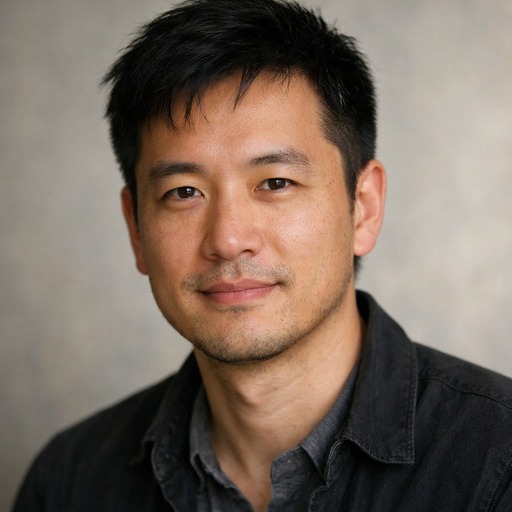
Photo of John Chen

John Chen is a Taiwanese American memoirist, essayist, and novelist raised between Kaohsiung and the Rocky Mountain West. He earned an MFA from the University of Wyoming and a BA in sociology from UC Irvine, and has worked as a translator, public-school paraeducator, and investigator for a legal aid clinic. His essays, often exploring migration, labor, and the classroom, have appeared in regional and national magazines and have been honored with fellowships from state arts councils and community foundations.

John also writes young adult fiction that blends the intimacy of memoir with propulsive storytelling. His work centers first-generation families, music, and the overlooked edges of the American West and Pacific Northwest, including the novels Silent Hearts and Violin and Scalpel. He has taught community writing workshops in Sheridan and Los Angeles, and lives in Seattle with his partner and a very patient dog.

Ratings & Reviews

Trevor Sandoval
2026-06-22

Think of it as chamber-lit YA: intimate, precise, and quietly intense. If you liked the artistic resolve of Mira Chang's The Practice Room and the humane hospital rhythms in Rafael Ortiz's Shift Notes, Lia's story will be a perfect fit. The music scenes ring with knowledge, the ER sequences respect real stakes, and the final offer arrives with honesty rather than melodrama.

Helen Kuo
2026-03-14

The motif of precision threads this story, from scales under Lia's fingers to sutures she watches at Harborview. The talismanic scalpel is risky symbolism, yet it works because the book treats it as weight, not spectacle.

Expectations hum in every scene, especially in the long echo between a mother's sacrifices and a daughter's autonomy, and the letters to Laramie stitch that theme together. By the end the choice lands as "quiet, precise, and true," and it resonates long after the last note fades.

Omar Vaziri
2026-01-08

Seattle hums in these pages, from wet sidewalks outside Benaroya Hall to antiseptic-bright corridors at Harborview; the atmosphere never lets you forget that music and medicine both depend on rooms built for listening. The snow-bound tour stop is vivid, the sirens keep time, and the city feels lived in, though a few background details blur when scenes shift quickly.

Janelle Brooke
2025-10-20

What shines is Lia's interior math. Her mother's night-shift grit, Ms. Hall's exacting encouragement, and Dr. Vargas's calm under pressure all ricochet inside her until every choice feels earned. Noor is a standout, drumming through fear with jokes and small kindnesses, and their friendship reads like the best chamber duet. Dialogue stays clipped and honest, and when Lia pockets the forgotten scalpel, it feels like a private promise rather than a plot device.

Colin Pham
2025-07-02

The novel balances orchestral discipline with the messy cadence of a trauma ward, and the prose mirrors that contrast. Chapters move in clean, clipped scenes that open into reflective letters to a brother in Laramie, an effect that highlights precision without losing warmth.

A few transitions feel abrupt, especially around the botched rehearsal and the snowed-in tour stop, and some medical details repeat when the tension is already established. Even so, Lia's voice carries the structure, and the closing sections find a steady tempo.

Maya Rios
2025-06-15

A thoughtful senior-year tightrope where rehearsals at Benaroya and code blues at Harborview pull Lia between two futures, paced with just enough urgency to keep each choice humming.

Generated on 2026-07-01 12:02 UTC