

Skeptic's ledger on plot and payoffs:
- Stark opening with the frozen harbor memory
- Mid-book drift where quests feel errand-like
- Climaxes that hinge on off-page decisions
- An ending that circles back without catharsis
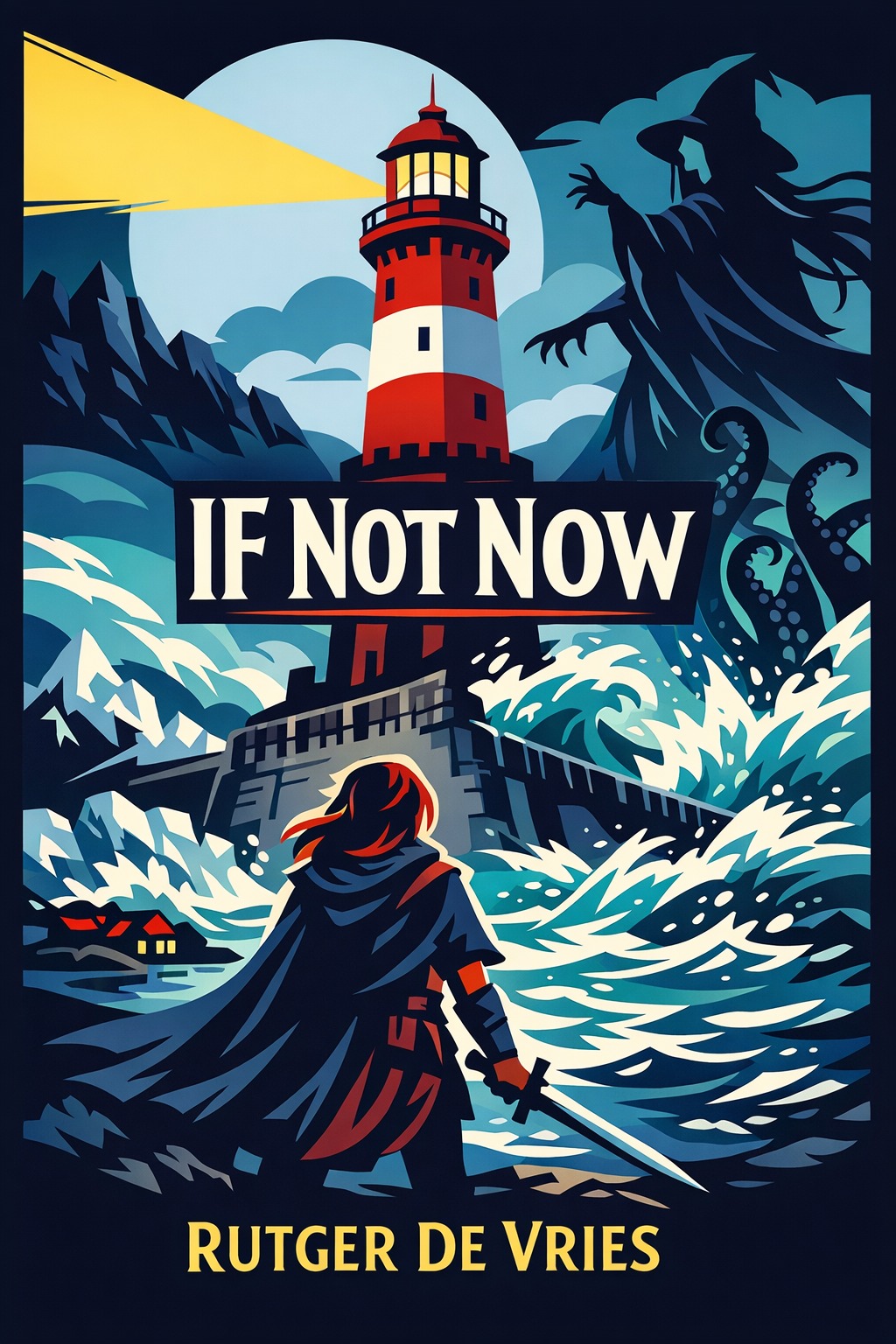
A lighthouse ward... Not content with merely slipping past Mara's trust, Sil Bruin has thrown in with Mother Klara of the Drowned, the tidal witch who once sealed Harlingen's harbor in ice. Mara refuses to let the Zuiderstrom Dike fail and the archipelago yield again to the brine-lit cults of the old sea. To protect the hard-won lives ashore, every whispering tidewife must be answered—especially Sil, who carries her stolen brass compass.
Skeptic's ledger on plot and payoffs:
File it between The Bone Ships and The Waking Fire: brine and bureaucracy make unlikely shipmates here. If you enjoy maritime fantasy that leans into infrastructure and ritual, this fits the shelf.
Less for swashbucklers, more for readers who savor political weather and the ache of responsibility. The magic is cool, the mood relentless, the pacing patchy but serviceable.
The themes sail in clear but land with a thud. Duty versus devotion, land versus sea, community versus the seductive pull of old faiths — it is all right there, often told to us in sermonlike passages.
The line about how "every tidewife must be answered" should crackle with moral friction, yet the book keeps underlining its points until they smudge. I admired the intention more than the execution.
The archipelago feels lived in: salt-hardened piers, prayer-knots in kelp, and the memory of a harbor iced by a witch's will. The worldbuilding hums when engineering meets enchantment, like the calculus of shoring up the Zuiderstrom Dike while tidewives whisper along the sluices.
The stakes stay coastal rather than cosmic, which I liked. Still, side cults blur together and the rules of the Drowned's power shift just enough to soften key confrontations.
As a character study, this is a chilly knot of loyalty and guilt. Mara's duty-first mindset convinces, especially when she refuses to let the dike give way. Sil reads like a wound that never closes, always turning the compass toward someone else's gravity.
Mother Klara's charisma is the best surprise. She is not kind, but she is legible, a tidal pull made human. Dialogue can go stiff under the weight of lore, yet the triangulation among these three gives the book a heartbeat.
I kept waiting for the tide to turn, but the prose sinks into fog.
Scenes eddy in circles, repeating the same moody salt-spray until momentum is a memory. Chapters end on gestures that feel important, then evaporate when the next one starts. I needed a current; I got a swirl.
The language strains for poetry and lands on monotone. Every gull cries, every rope creaks, every wave whispers secrets. When everything is murmuring, nothing speaks.
Point of view drifts at the worst moments. We slide out of Mara's urgency just as the Zuiderstrom Dike threatens to fail, then bob along beside side characters who offer commentary instead of consequence. Why build tension only to puncture it?
I wanted the lighthouse ward to flash clarity across the water. Instead the beam flickers. By the time Sil's stolen brass compass matters, it feels like a prop, not a pulse. Frustrating, exhausting, and so, so soggy.
Mareas, traiciones y un faro que vigila; la misión de Mara contra Sil y la Madre Klara avanza con bruma potente pero un pulso irregular.