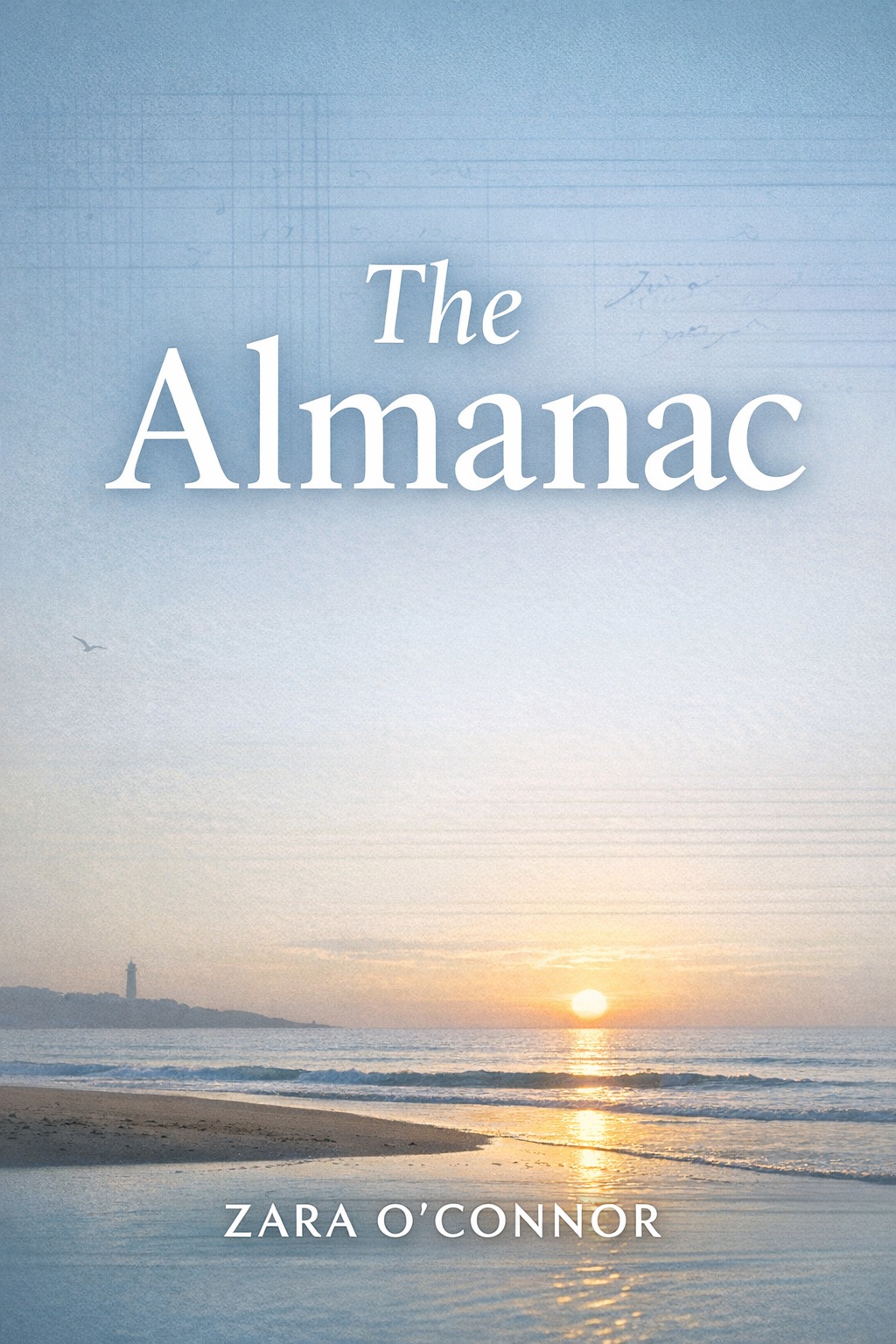
What begins as a promise to make the coastline legible—tides, traffic, distress, and the way daylight breaks over a bar of sand—turns into the most difficult ledger Zara O'Connor has ever kept. After years of court reporting in Limerick and a stint consulting for a Miami cybersecurity firm, she accepts a post as lead analyst for Pelagic Nine, a boutique contractor hired to knit together Ireland's Sea-Fisheries Protection Authority (SFPA) feeds with Florida Keys rescue telemetry. In Dublin, she works out of a glass box on Leeson Street; in Key West, she borrows a desk above a bait shop off Caroline Street and bunks on a friend's sloop out of Stock Island. Her brief is clean: fuse AIS and VMS with Coast Guard logs so patrols find the right boats, faster. Then a new Irish "Office for Government Modernisation" (OGM) arrives with a white-paper slogan—"Speed, Scale, Savings"—and, in Florida, a hurricane-recovery consortium demands dashboards that "won't scare funders."
The first thing to go is a name: in Clonakilty, the SFPA crest is scraped off a door because it "confuses the brand." The next is a boundary: a geofence off Bantry Bay slides thirty nautical miles north on a Thursday afternoon to make violations disappear. In Slack threads called #smoothing and #deconflict, a head of product named Ankita asks if they can "downrank noise from small domestic trawlers," and a CFO with a neutral smile—Crispin Yeo—calls an illegal transshipment a "data wrinkle." Vessels Zara can name without looking—Aisling Dawn, Saoirse Mór, Calusa Jane—flash red on Monday; by Friday they're green. Distress pings from a skiff near Sawyer Key are marked "low-confidence." A solicitor for an owner in Killybegs lingers in the lobby, then the heat map loses another tooth.
Zara starts a parallel notebook she calls the almanac: barometer numbers in Kinsale, wind direction off Foul Sound, diesel receipts from a night watch in Marathon, and screenshots of moved polygons annotated with tide heights and the day's saints from an old Irish calendar. She sends memos with filenames like almanac_2023-10-18.pdf to Pelagic Nine, to an OGM deputy named Declan Fay, to the Sea-Fisheries Ombudsman, to a Miami Herald stringer named Janelle Poitier. The company puts her on leave. Her sloop crewmate, Marisol Vega, presses a thermos into her hands and says nothing. Zara keeps logging: knot speeds, FOI response times, how long it takes a rumor to cross the Keys compared to a northerly front.
When her documents leak, patrols in Castletownbere that had been "temporarily optimized" are suddenly back on the water. In Key West, two canceled training exercises reappear on the watch bill. The Oireachtas forms a committee. A High Court case in Dublin—citing her screenshots alongside EU regulations she had once footnoted into a tidy appendix—asks whether the OGM can order an agency to erase its own teeth. The dashboards remain, but they begin to mean something again. Zara pays in lost income, strained loyalties, and a stilled relationship to the work she had loved for its clean edges.
Urgent and unblinking, The Almanac is a working sailor's and clerk's record: what you write down when you cannot be sure who will try to change it later. From a fluorescent-lit hot desk on Leeson Street to a wheelhouse off American Shoal, it shows how optimization can flatten human judgment and how a tide table—coffee-stained, folded, stubborn—can be a way of refusing to forget. Along the way are ECDIS screenshots, the odor of diesel, a muttered prayer on the 3 a.m. watch, and a plainspoken code of seamanship: you go when someone calls for help, and you keep the time, even when doing so costs you.