
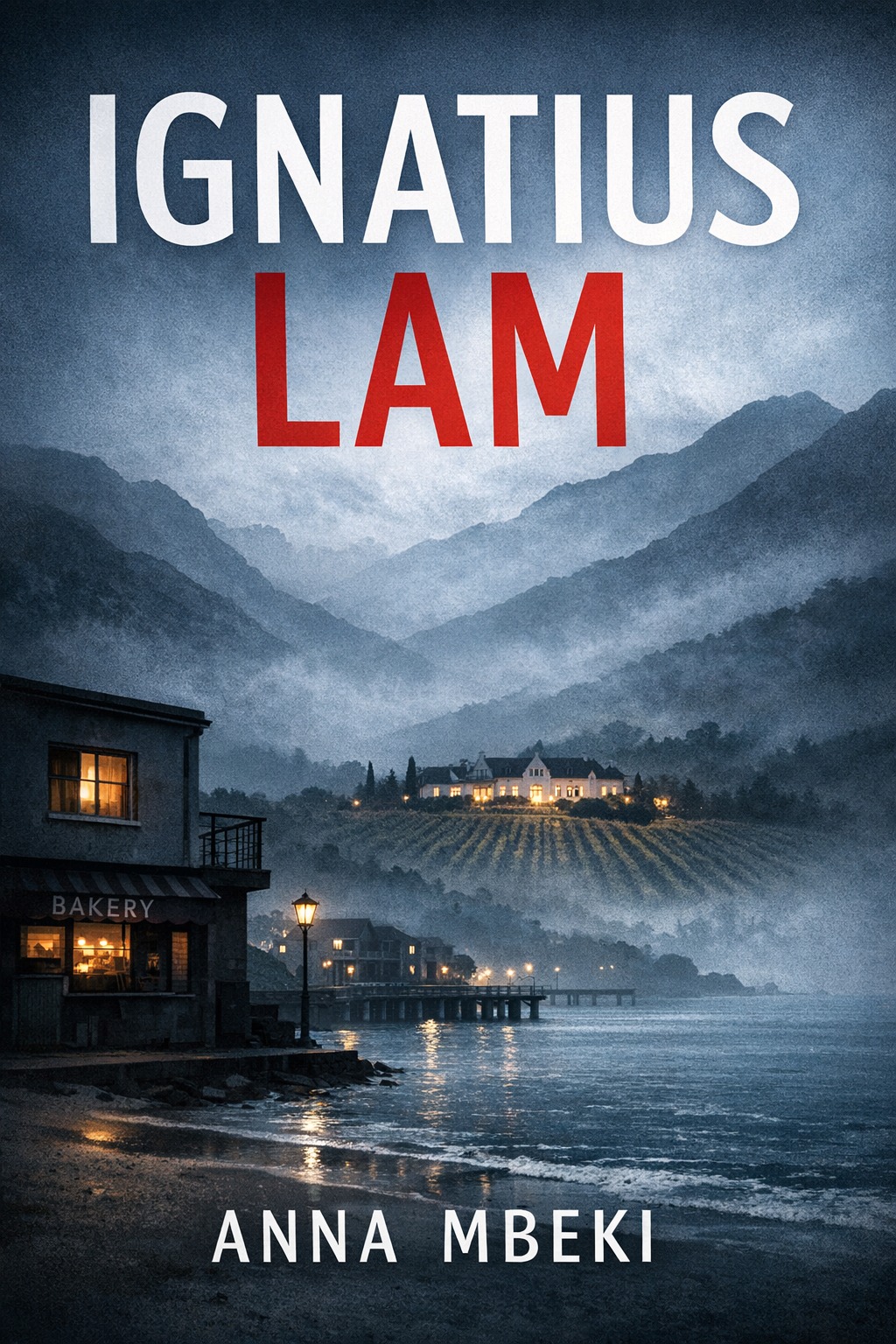

What dazzled me most here is how the mystery doubles as a meditation on belonging and repair. Lam is a man between places, renting a spare flat above a bakery and carrying a scandal like a folded letter, and that in-betweenness sharpens his empathy as much as his eye.
Philanthropy, in these pages, is both gift and leash. The estate at Franschhoek glitters, yet every glass of rooibos and every promise of support has a ledger behind it; art money, caretaking, and control braid into motive without turning anyone into a sermon.
Throughout, Mbeki threads ritual and reason. Lam follows "timetables, tinctures, and the steady logic of locked rooms," and the novel answers with textures that matter: oleander ground fine, green ink overwriting time, mud that tells you where a shoe has wandered.
The effect is joyous. Secrets tighten like trellis wire and then release, not only into solution but into a feeling that justice can be quietly exact and still tender with the living.
I finished with my heart thudding and my mind humming.