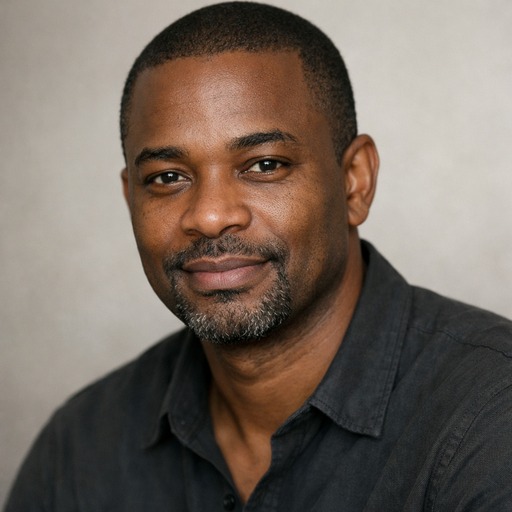
Cover of Scalpel: A Memoir in Parts

Scalpel: A Memoir in Parts

Thriller · 352 pages · Published 2025-11-04 · Avg 3.7★ (6 reviews)

Dr. Efosa Arinze is the doctor people call when night turns catastrophic. A Lagos-born trauma surgeon who splits his time between St. Nicholas Hospital and guest residencies in Baltimore, he's parlayed a knack for impossible saves into a jagged, mordantly funny manuscript called Scalpel: A Memoir in Parts. Managed by the meticulous Xolani Dube and courted by publishers through the hard-charging fixer Mara Kingsley, Arinze's offbeat asides—scribbled on operative notes beside sketched clamps and sutures—have made him a public hero since an early chapter about his own nerve damage went viral. The galley pages promise the same feverish mix of dread and life-affirming wit that carried him through a bus collapse on Third Mainland Bridge and a generator fire in the Ikeja ICU.

On the dawn of his Lagos launch, the operating suite stands behind police tape: tempered glass glittering on the scrub room floor, monitors dead, Prof. Ifeoma Nnaji—Arinze's mentor—missing without a trace. On his steel bench, a single polished scalpel engraved 'E.A.' lies atop an incomplete first draft, its margins riddled with symbols no editor has seen. When London ghostwriter Piers Ullman lands at Murtala Muhammed to confront rumors of plagiarism and payoff patients, Arinze vanishes from his Ikoyi flat, leaving a dictaphone with twelve minutes of humming and one word: 'Clerkenwell.' A donor heart idles in a cooler with four hours of viability, and Detective Sola Adeyemi names Piers the prime suspect before noon.

Millions who watched the TED talk and wore the charity wristbands think they know Dr. Arinze. But as Piers deciphers each 'part'—a map in surgical instruments and blacked-out footnotes—he finds offshore clinics in São Tomé, an unlicensed harvest ward beneath an Abuja warehouse, a childhood disappearance in Enugu, and a pact cut with a Lagos courier whose nickname no one repeats on record. With organs on the clock and reputations eroding by the hour, not even Arinze's closest allies can predict who is scripting the bloodless joke in the margins—or why the punch line ends in Clerkenwell.

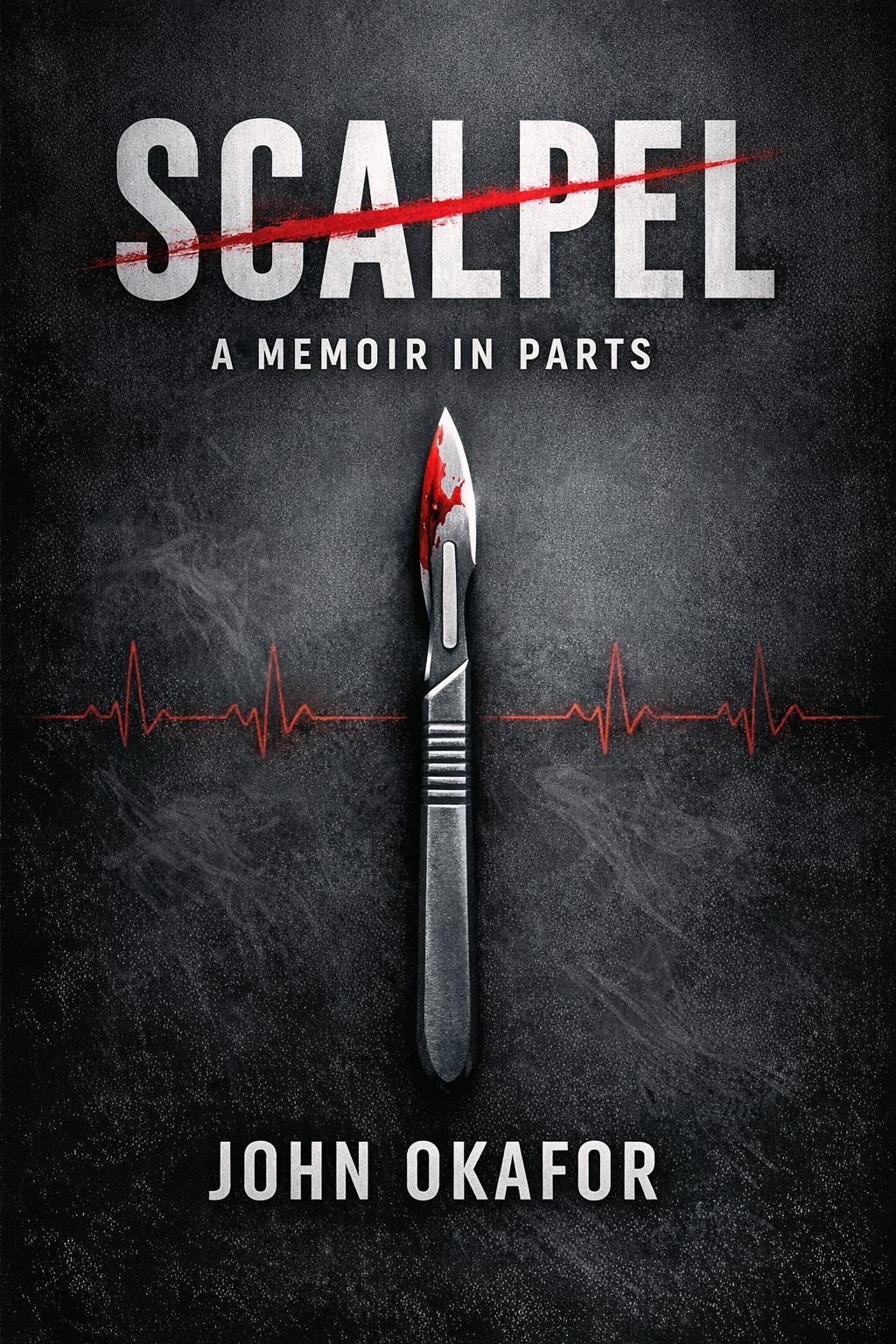
Photo of John Okafor

John Okafor is a Nigerian-born thriller writer whose work fuses medical detail with noir urgency. Raised in Aba and later Enugu, he studied physiology at the University of Nigeria before spending five years as an EMT and surgical ward clerk—roles that lend his fiction its granular feel for triage and aftermath. He completed a postgraduate degree in creative writing in Leeds and received the New Voices Africa Fellowship for emerging authors.

Okafor's earlier novels, Cold Ward and Night Ambulance, earned the Lagos Noir Prize and a longlisting for the Kite Dagger. His short fiction has appeared in the independent magazines Black Star Review and Ukpor Quarterly. He lives in Manchester, volunteers with a community first-responder unit, and, when not writing, restores vintage dictaphones and hikes the Peak District.

Ratings & Reviews

Priya Anand
2026-04-18

As a selector, I'd hand this to readers who like their crime fiction threaded with hospital detail and ethical knots. Think Femi Kayode's Lagos acuity with a darker medical spine, or Deon Meyer's clockwork urgency relocated to waiting rooms and tarmac.

Content advisory for book clubs and classrooms:
- organ harvesting
- off-page child disappearance
- hospital violence
- corruption and police pressure
- brief strong language

Best for mature teens and adults who can sit with ambiguity; the structure and timelines reward close attention more than casual skimming.

Sola Ribeiro
2026-03-22

Scalpel is preoccupied with performance and consequence: how a TED-lauded healer becomes an emblem, and how that emblem gets traded in back rooms. I loved the way the book turns the operating note into philosophy, folding jokes into dread until "a map in surgical instruments" starts to feel like a moral compass snapping north and south at once.

The final gesture toward Clerkenwell reads like a dare.

Helen Kirk
2026-02-14

Setting is the scalpel here, slicing Lagos into neon corridors and unlit rooms. The Lagos launch reads like a ward under siege; police tape, dead monitors, and a chilling absence set the pulse.

The wider circuit includes São Tomé slips, an under-warehouse ward in Abuja, and whispers moving by okada at dawn, conjuring a network that feels plausible and predatory. At times the medical jargon pools too deep, but the atmosphere stays charged and the stakes never feel synthetic.

Tayo Mensah
2026-01-05

The cast breathes under pressure. Arinze is both medic and magician, but the tremor in his own hand keeps him honest. His quips land like sutures that hold just enough. Piers arrives primed for confrontation and instead learns to listen, and the push-pull with Xolani and Mara crackles without melodrama.

Dialogue feels lived-in, especially when Detective Adeyemi tightens the screws. I believed these people, even when the hospitals go dark and loyalties bend.

Marcus Bell
2025-11-20

Arinze frames his memoir as case notes intercut with field reports, and the book thrives whenever the margins talk back: scribbled symbols, sketched clamps, footnotes that shade from joke to threat. The architecture is daring but fussy; the first half ricochets between St. Nicholas and Baltimore with momentum, then the investigation threads multiply and a few transitions blur compass points.

Even so, the cadences feel earned when the voice tightens around the missing mentor and the dictaphone clue. I admired the craft more than I loved the read, but several chapters hum with surgical precision.

Ijeoma Salami
2025-11-06

A jet-fueled thriller of clocks and clues as a donor heart ticks down and Arinze vanishes. The pivots are sharp, the Lagos launch chapter detonates clean, and the final breadcrumb to Clerkenwell lands with menace.

Generated on 2026-04-20 12:03 UTC