
By tone and patience, this reminded me of Pamela Colloff's longform investigations and Radley Balko's reporting on forensic misfires. Miller's eye for process, from parole rooms to bite-mark 'expertise' to FOIA trench work, makes the chapters around the Lunar Rest and those brittle broadcasts feel necessary rather than lurid. If you're drawn to narrative nonfiction that favors rigor over theatrics, this is a thoughtful, quietly persuasive entry in the literature of justice.
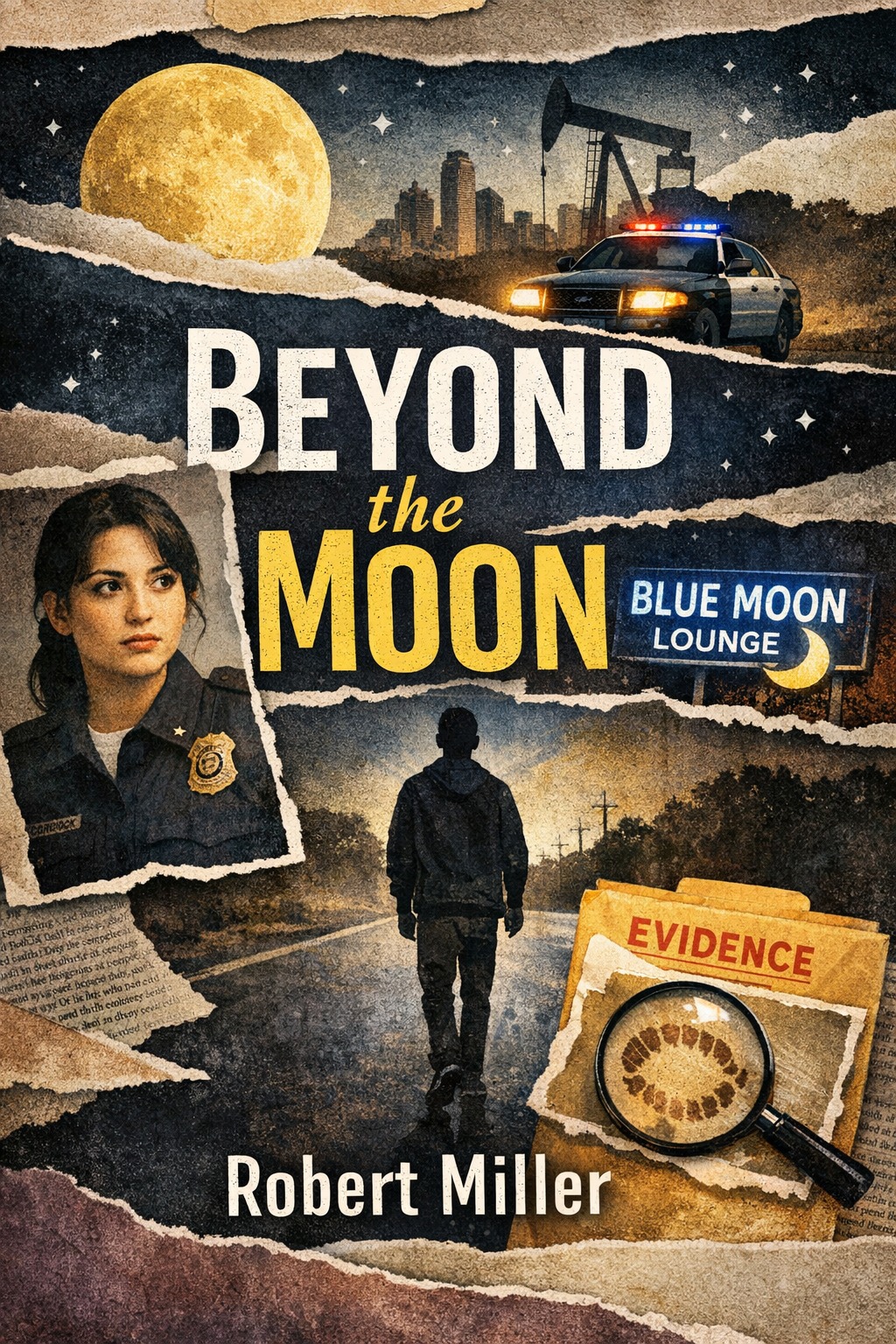
Beyond the Moon reconstructs the 1993 disappearance of rookie corrections officer Lila Navarro after a late shift at the Blue Moon Lounge outside Tulsa. Within a week, detectives leaned on a jittery informant and a bite-mark expert to pin the case on DeShawn Pike, a teen with no car and a timecard in Kansas City. Drawing on boxes of discovery, brittle VHS news spots, and interviews in trailer parks and courthouse basements, Miller maps the messy seams where fear, politics, and junk science converged.
The narrative follows innocence-review volunteers and an aging public defender along the Verdigris River, through FOIA fights, parole hearings, and a motel called the Lunar Rest off Route 66. As witnesses recant and a forgotten Polaroid surfaces, the book becomes a portrait of the Midwest in the tough-on-crime nineties and of what it costs to undo a story once the state writes it in ink. With unshowy empathy and a reporter's patience, Miller asks how communities remember, and who gets left out when they move on.