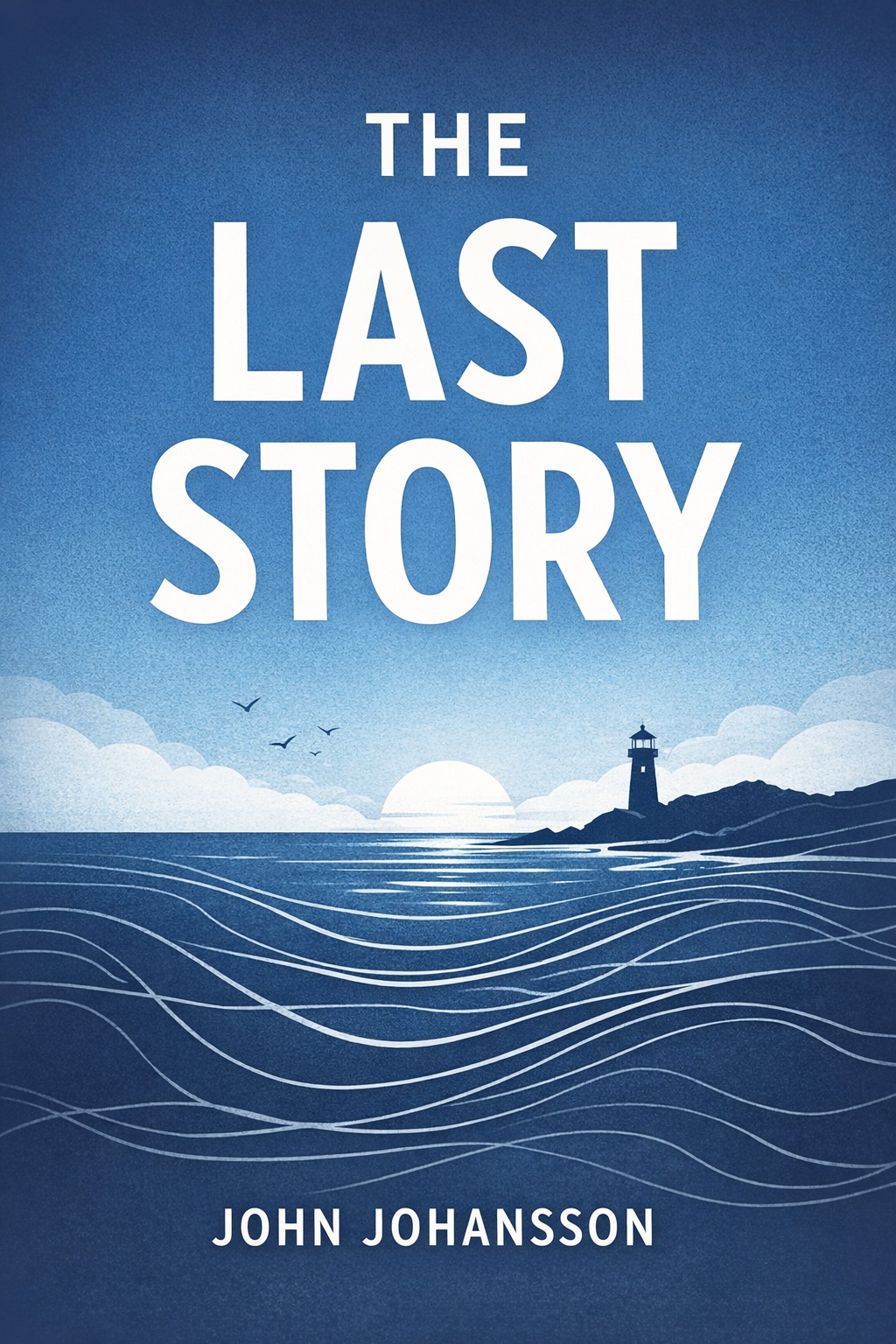
Mara Kline knows the ocean's script by heart. A meticulous coastal surveyor based out of Newport, Oregon, she's been the one to call when a shoreline's line won't hold. Her notebooks are full of clean measurements and taut contour lines; her posts keep sponsors happy and the state grant alive. But after too many storm seasons and public briefings, something essential has slipped—her field drawings feel hollow, her night drafts at the decommissioned ferry terminal-turned-archive locals call Story House blur into gray.
When Emil Reyes, a former storyboard artist with a knack for messy, living maps, takes a workbench in the same depot, Mara is rattled by the feeling in his pages—the smudged pencil notes, the coffee-ring compass roses. They're both vying to chart Salicornia Spit before the next atmospheric river erases it from the Yaquina Bay ferry timetable and from NOAA Station 9435380's historical curve. As sirens hum along the Yaquina Bay Bridge and the wind clocks past 60, their rivalry crests on the top floor—the last story—of Story House. There, amid tide gauges, an aging LIDAR drone, and a sketch pinned with rusted binder clips, Mara has to choose whether a competitor can be a collaborator, and whether her lines can hold more than facts—enough to keep a town, and herself, above water.