
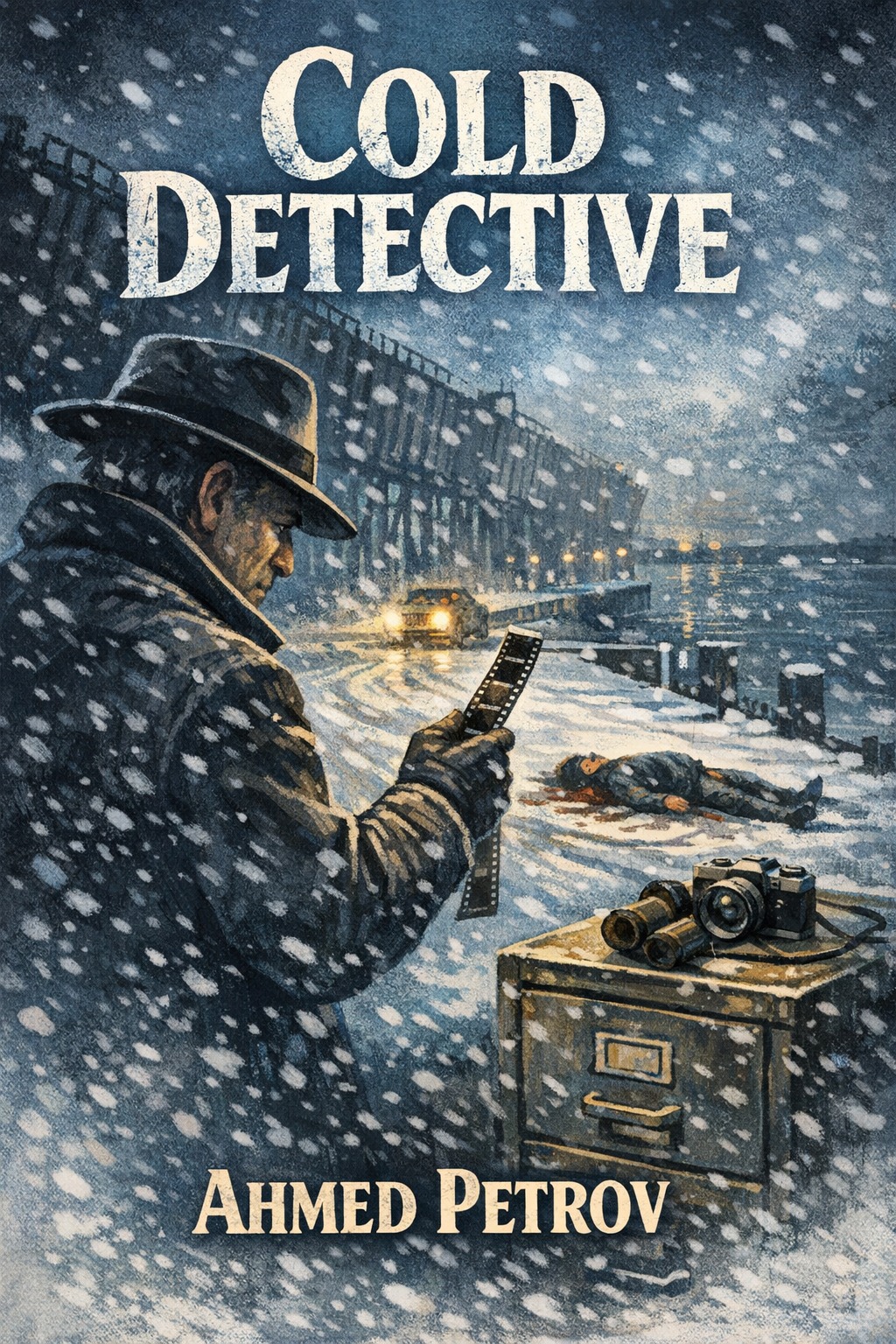
The book talks a big game about truth and silence, but the message is shouted until it goes hoarse.
I kept waiting for the moral fog to thicken. Instead, scenes restate the same warning, with "every answer he digs" followed by yet another tidy reversal, and the taunting posts echo his notes so literally that they start to feel like stage directions.
Reznik's exhaustion is real, yet the narrative keeps prodding it like a bruise. The ledger, the compass, the rolls of film turn symbolic in the loudest way, pointing at meaning instead of letting it surface.
Atmosphere carries so much promise. Then a conversation or a staged scene arrives to underline what the lake and the ore docks already implied, and the spell snaps.
I am not against clarity, but this is overarticulation. By the time the cabin chapters repeat their lesson, I wanted the story to trust me as much as it tells Reznik not to trust the unit.