
Smart, careful, and slower than I hoped.
- Clear sense of work on the mountain
- Quippy, gentle banter
- Long stretches of logistics
- Chemistry reads cool until late
Best for readers who prefer process-forward slow burn over heat or sweeping drama.
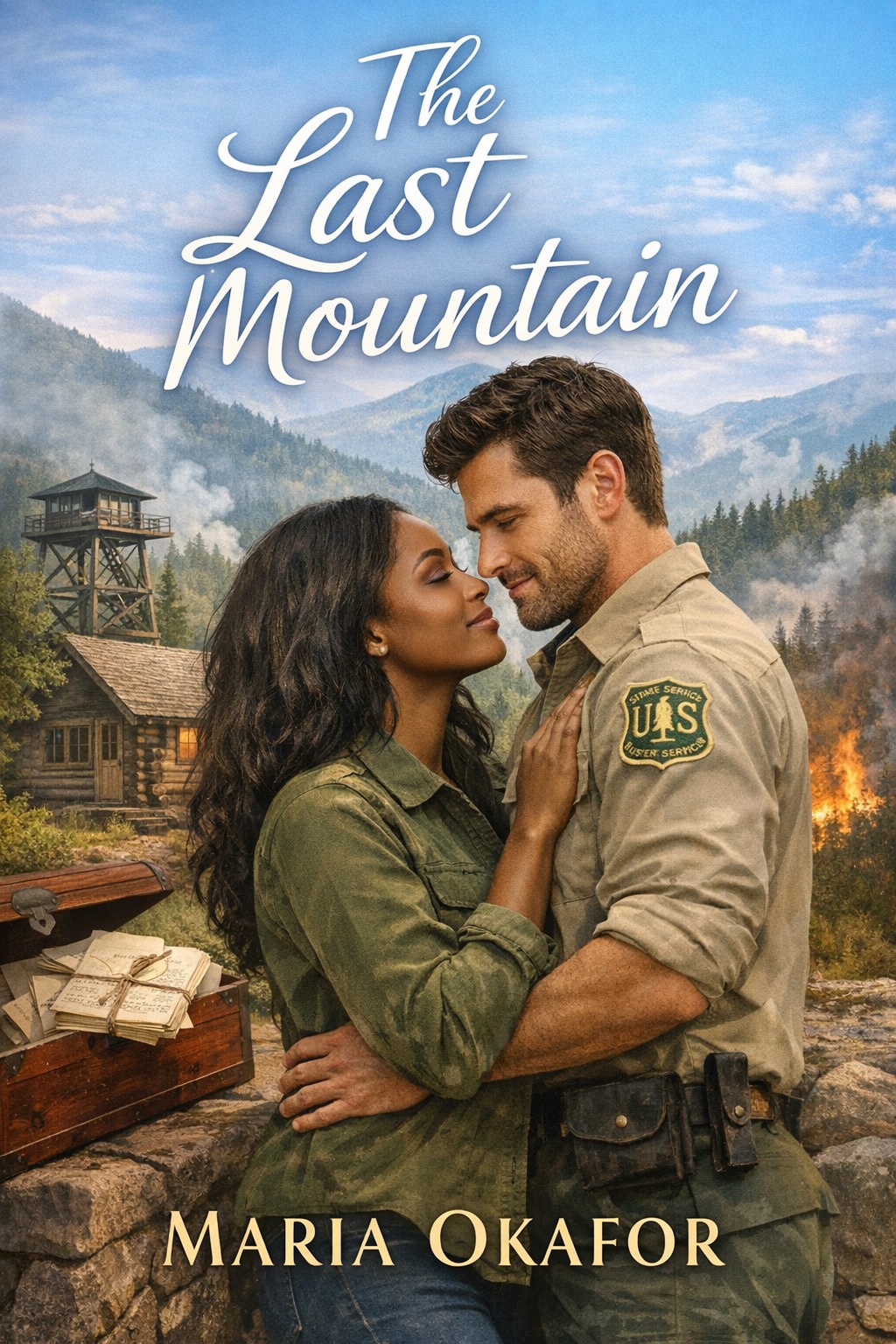
When a cedar chest of letters surfaces in Wilmington, archivist Adaeze Nwosu tracks them to Cold Spring Mountain in Pisgah. There she clashes, then cooperates, with wildfire ranger Elijah Hart as a luxury resort, old claims, and small-town etiquette test their slow-burn attraction. Okafor's keen eye for class, heritage, and community ritual turns switchbacks, seed packets, and a found tintype into a tender, witty romance about what we owe the places that made us.
Smart, careful, and slower than I hoped.
Best for readers who prefer process-forward slow burn over heat or sweeping drama.
The novel keeps circling a thesis about "what we owe the places that shaped us," and for me that turned the story into a tidy lesson. The rituals and etiquette are described with such reverence that the romance often reads like a case study rather than a pulse.
Adaeze and Elijah have potential, but the chemistry stays muted under commentary about heritage and ownership, and the resort conflict is a tidy symbol. I needed messier longing and less sermon.
El paisaje de Pisgah se siente trabajado con cuidado, desde las pendientes de Cold Spring Mountain hasta los procedimientos de incendio que Elijah defiende y las costumbres que el pueblo protege. Las cartas del cofre de cedro no son solo pistas románticas, sino una cartografía de memoria que choca con el avance del resort de lujo, y esa tensión entre cuidado del territorio y deseo personal le da peso a cada escena.
I am glowing over this romance, absolutely glowing! My heart did a little summit dance for Adaeze and Elijah, and I kept whispering yes at their hard-earned tenderness.
Their first clashes over fire protocols versus archival ethics crackle, then the trust they build feels earned. The banter is nimble, and the quiet apologies hit just right.
The tactile details made me giddy. I could smell wet cedar and hear boot grit on switchbacks. A tiny exchange of seed packets felt like a promise, and the found tintype carries a hush that pulled me closer.
Community matters here, and the book lets that responsibility be sexy. The Wilmington-to-mountain pull, the luxury resort pressing in, the small-town etiquette that both protects and limits people all give Adaeze and Elijah a grown-up context for choosing each other.
This is the kind of slow burn that warms your ribs and makes you want to write a letter, plant something, and call home. I adored it!
Okafor builds the book like a set of switchbacks: brief letter excerpts, present-day fieldwork, then sly, domestic beats in town.
The line-level writing is observant and clean, with dialogue that feels regional without leaning on caricature. I did want tighter momentum through the middle third, where the resort subplot idles and the letter threads repeat a few moves, but the final approach lands with a gentle click.
A cedar chest of letters sends Adaeze from Wilmington to Cold Spring Mountain, and her wary teamwork with wildfire ranger Elijah uncoils at a steady pace that lets the switchbacks, seed packets, and small-town etiquette set the spark.